
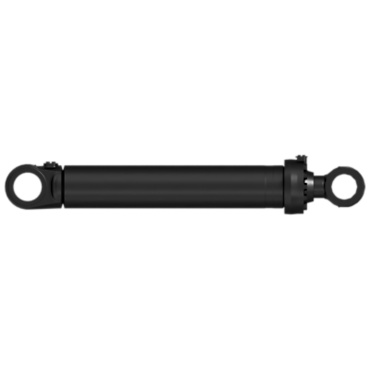
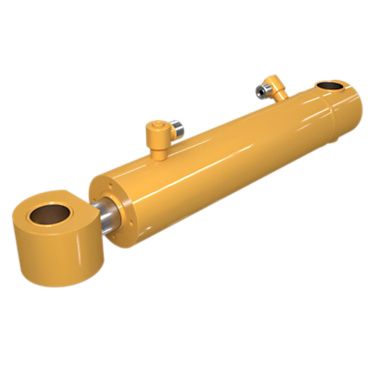
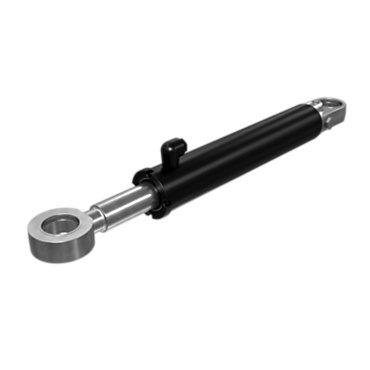
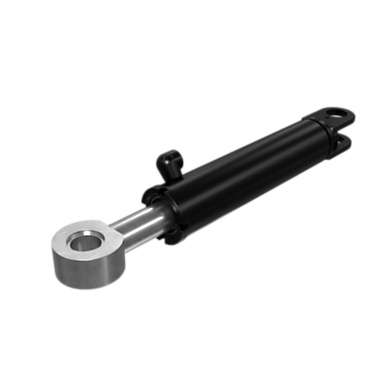
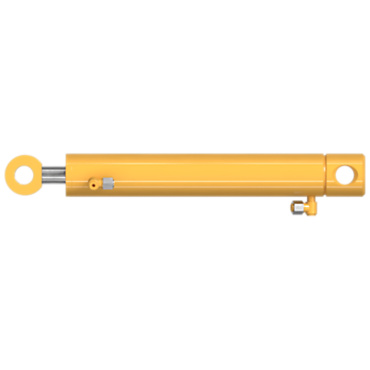
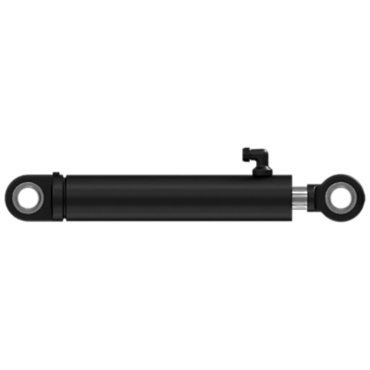
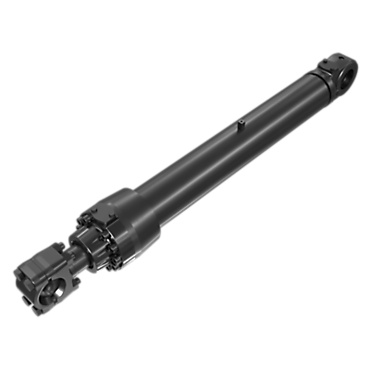
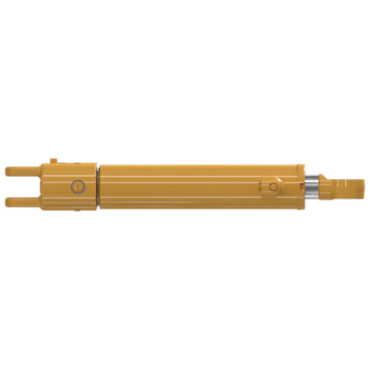
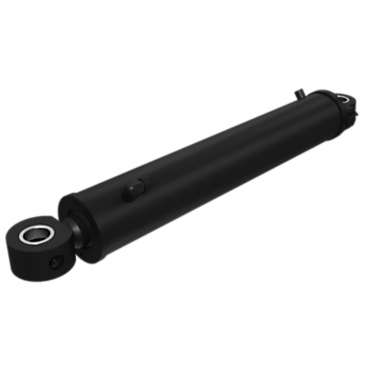
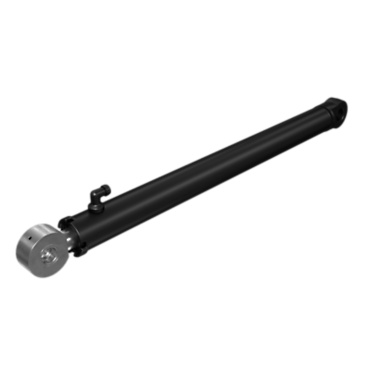
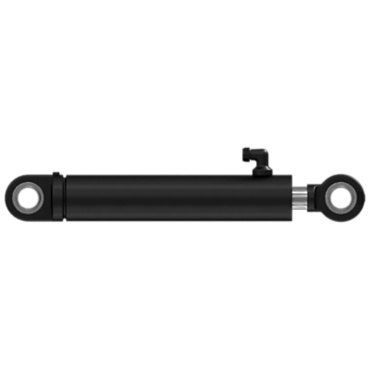
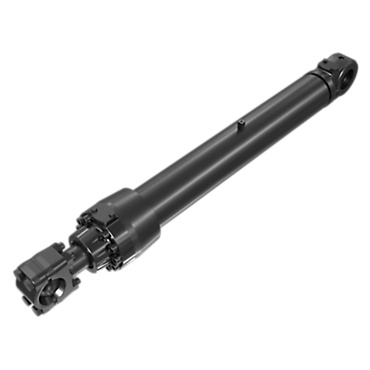
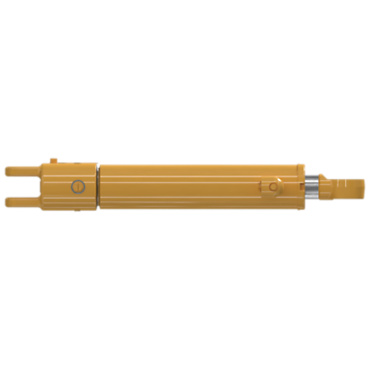
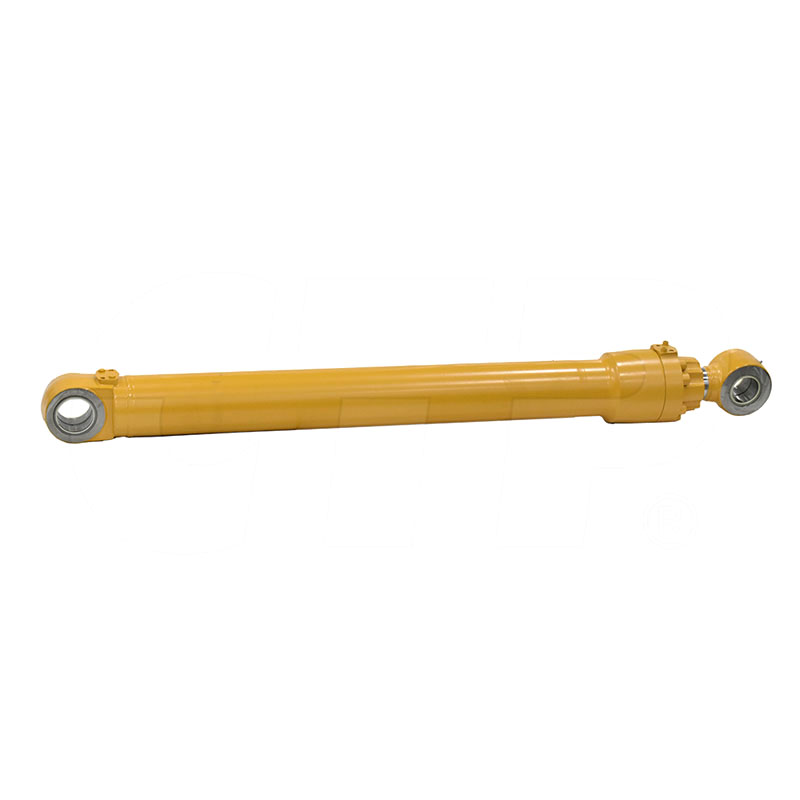
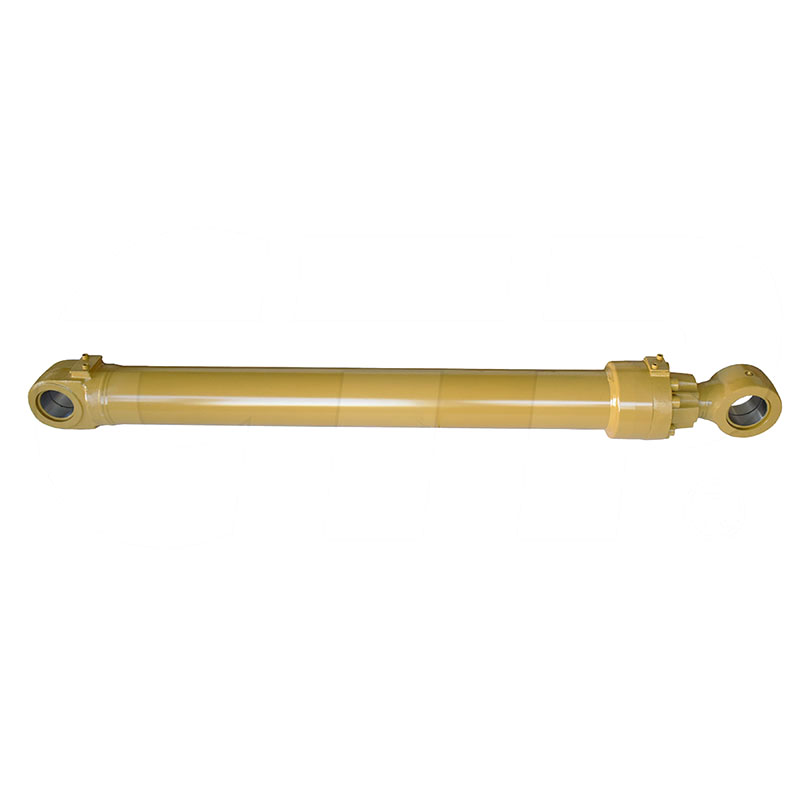
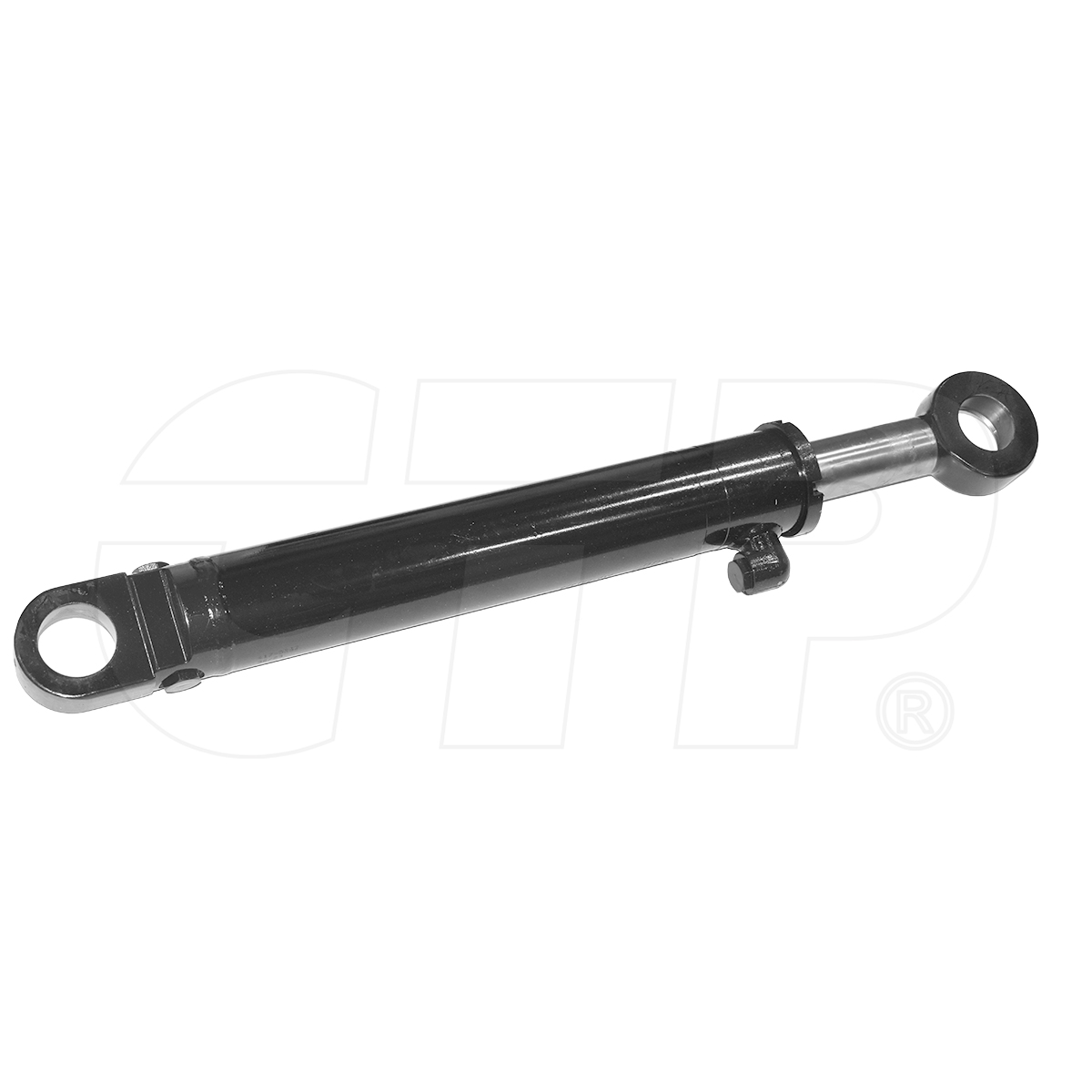
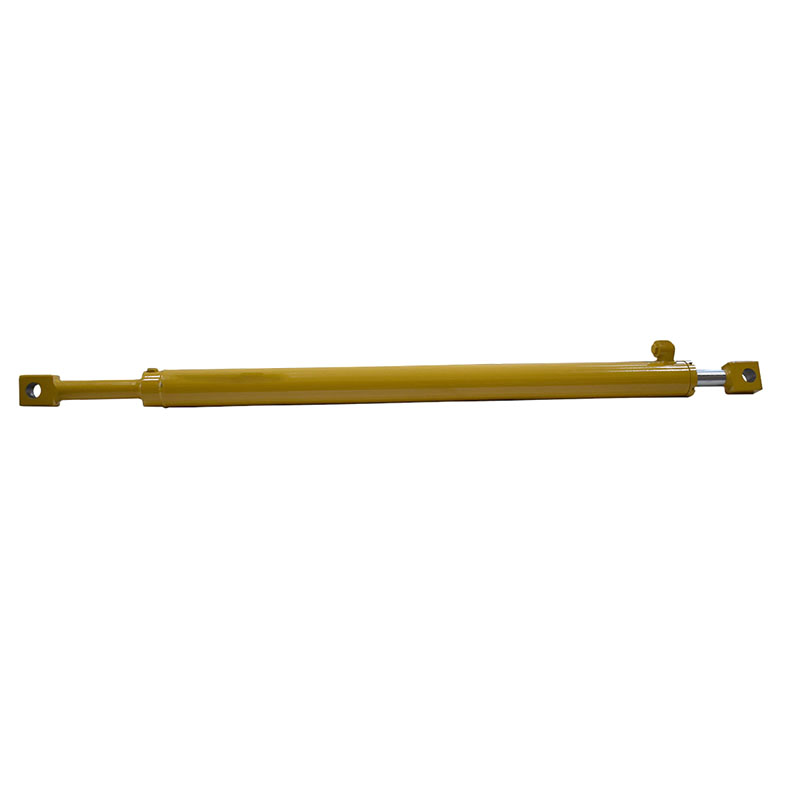
Hydraulic cylinders are vital components in construction machinery. Used to generate linear force and motion. These cylinders function by converting hydraulic energy (pressurized fluid) into mechanical energy. The basic components of a hydraulic cylinder. Include a cylinder barrel, piston, piston rod, seals, and end caps.
The operation begins when hydraulic fluid is pumped into one side of the cylinder. This fluid, typically oil, creates pressure against the piston, causing it to move. As the piston moves, it pushes or pulls the piston rod, creating linear motion. This motion is used in various applications such as lifting, pushing, pulling, and rotating heavy loads.
Hydraulic cylinders are commonly found in machinery like excavators, loaders, cranes, and bulldozers. These machines rely on hydraulic cylinders to perform essential tasks such as digging, lifting, and moving materials. The power and precision offered by hydraulic systems make them indispensable in the construction industry.
There are two main types of hydraulic cylinders: single-acting and double-acting. Single-acting cylinders allow hydraulic fluid to enter from one side, extending the piston in one direction, while a spring or external force retracts it. Double-acting cylinders, on the other hand, allow fluid to enter from both sides of the piston, providing force in both directions and allowing for more control and flexibility.
Durability and reliability are crucial for hydraulic cylinders, given the harsh conditions they often operate in. They must withstand high pressures, heavy loads, and environmental factors like dirt, dust, and temperature fluctuations. Proper maintenance, including regular inspections and seal replacements, is essential to ensure their long-term performance and avoid costly downtime.