
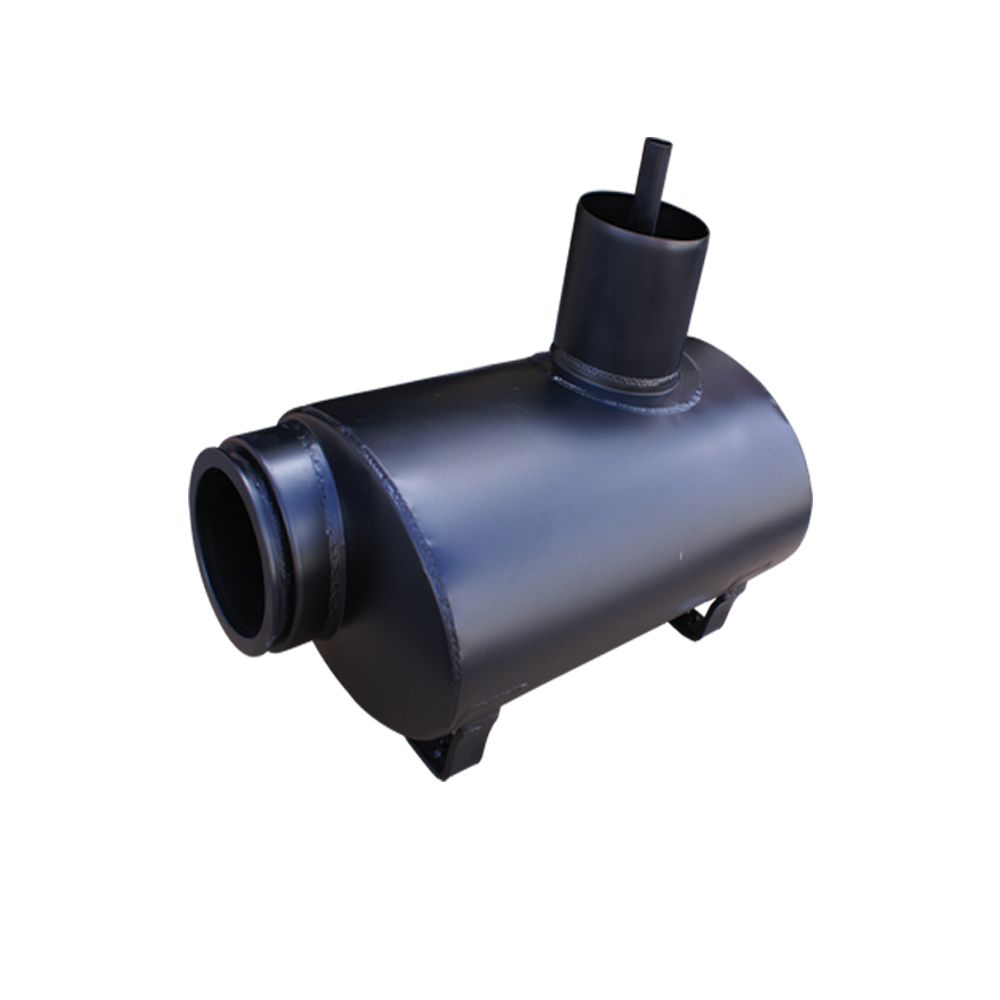
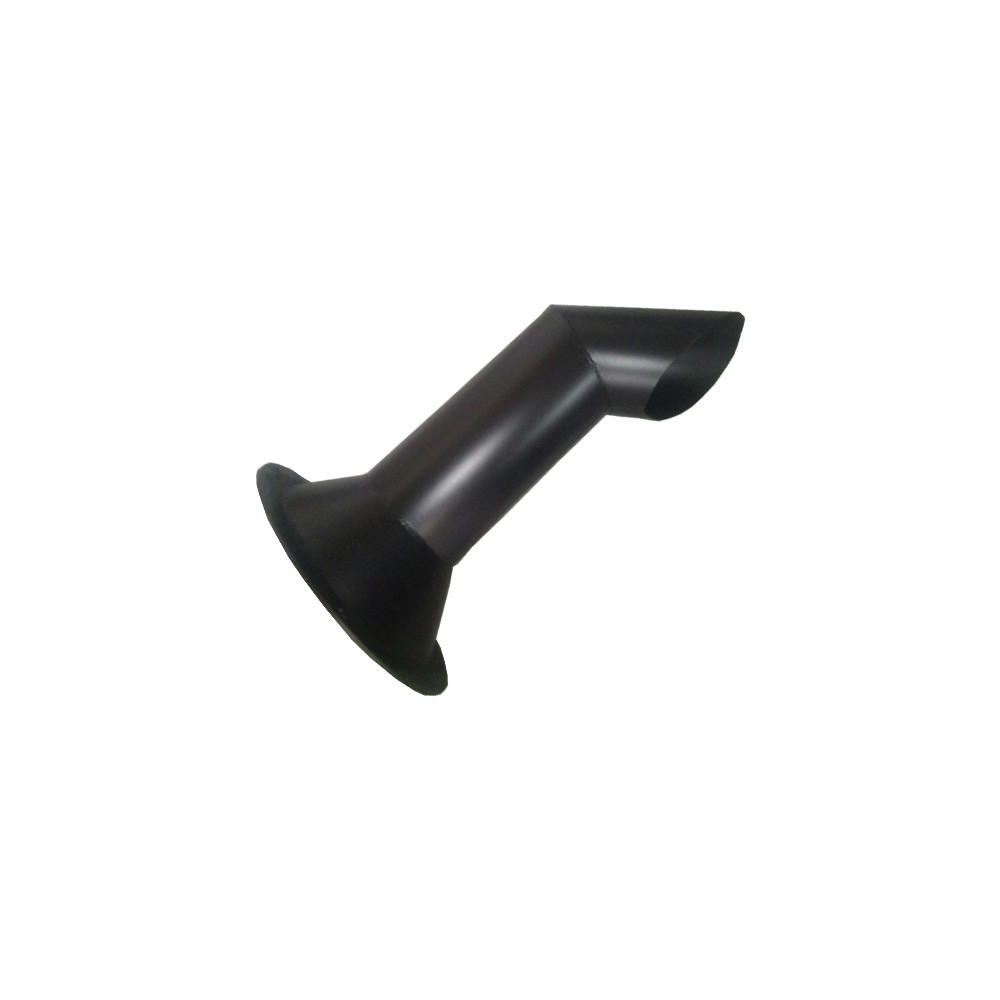
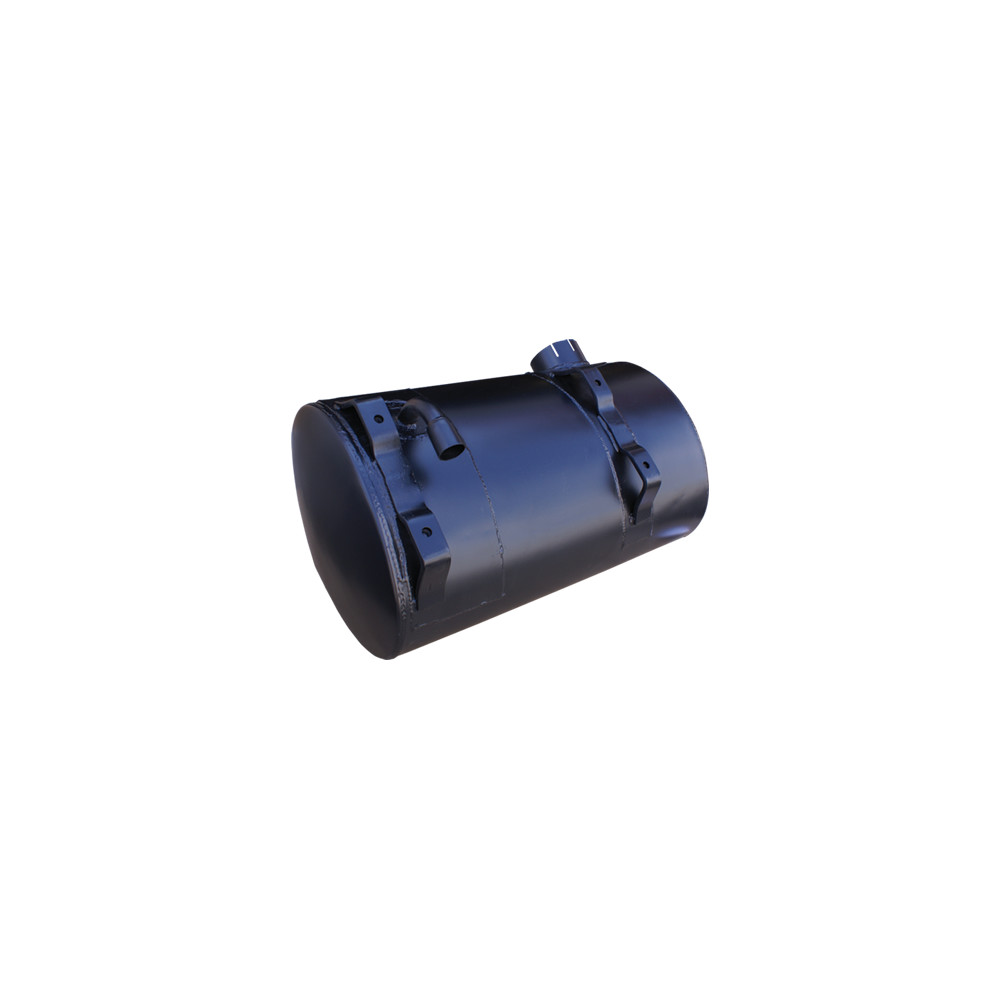
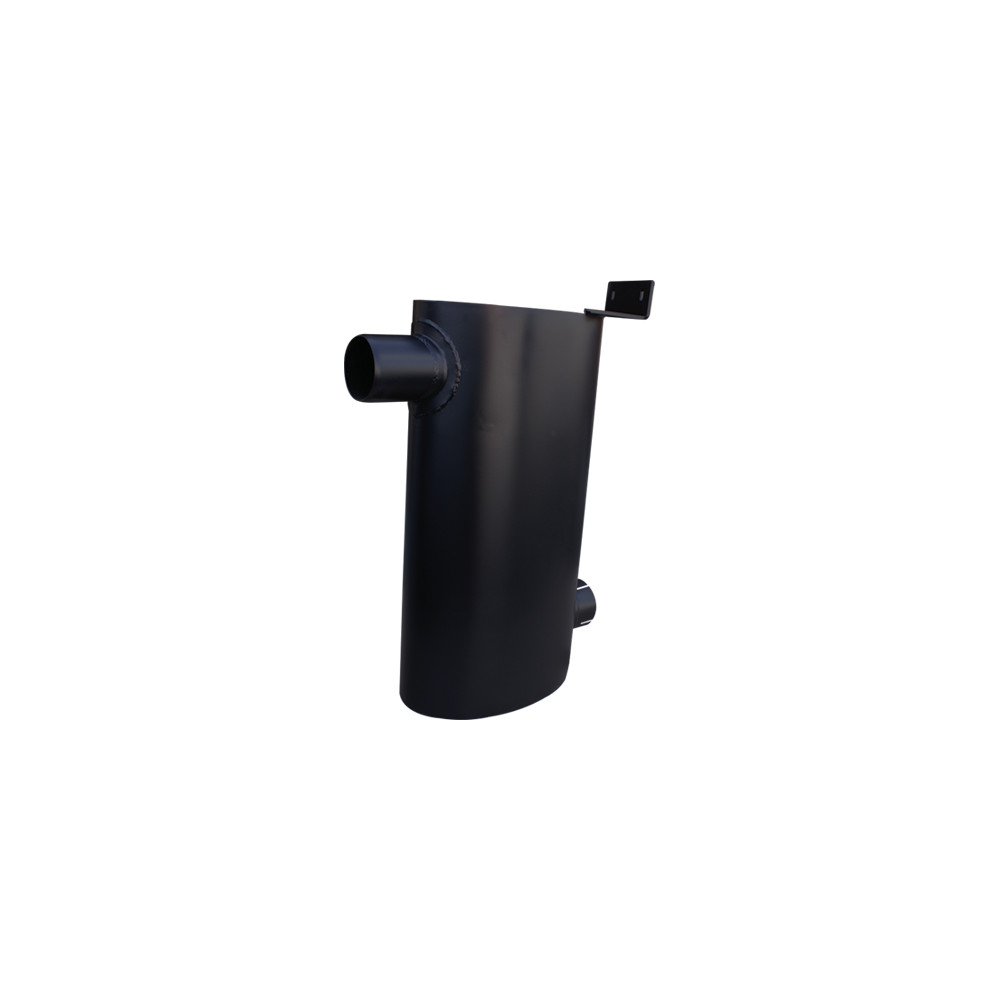
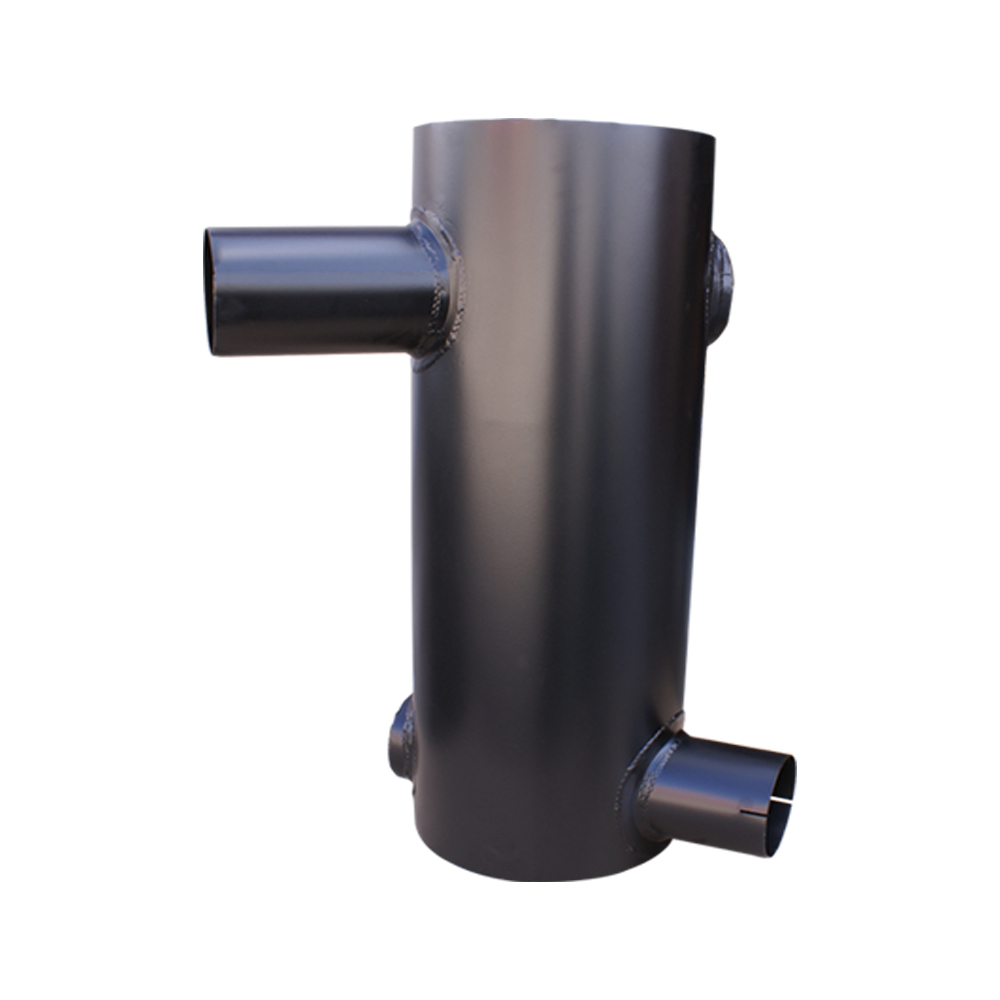
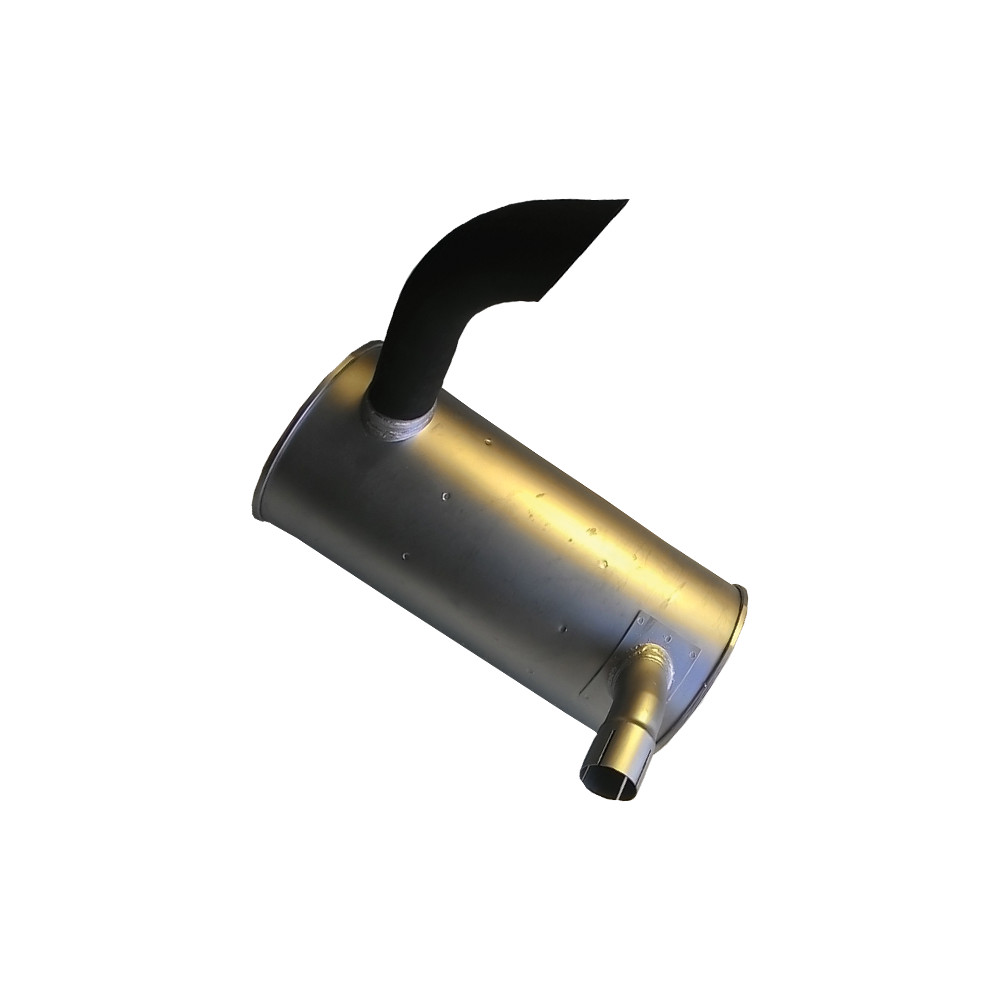
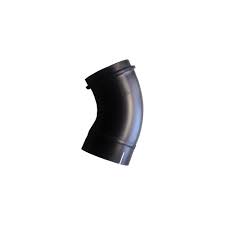
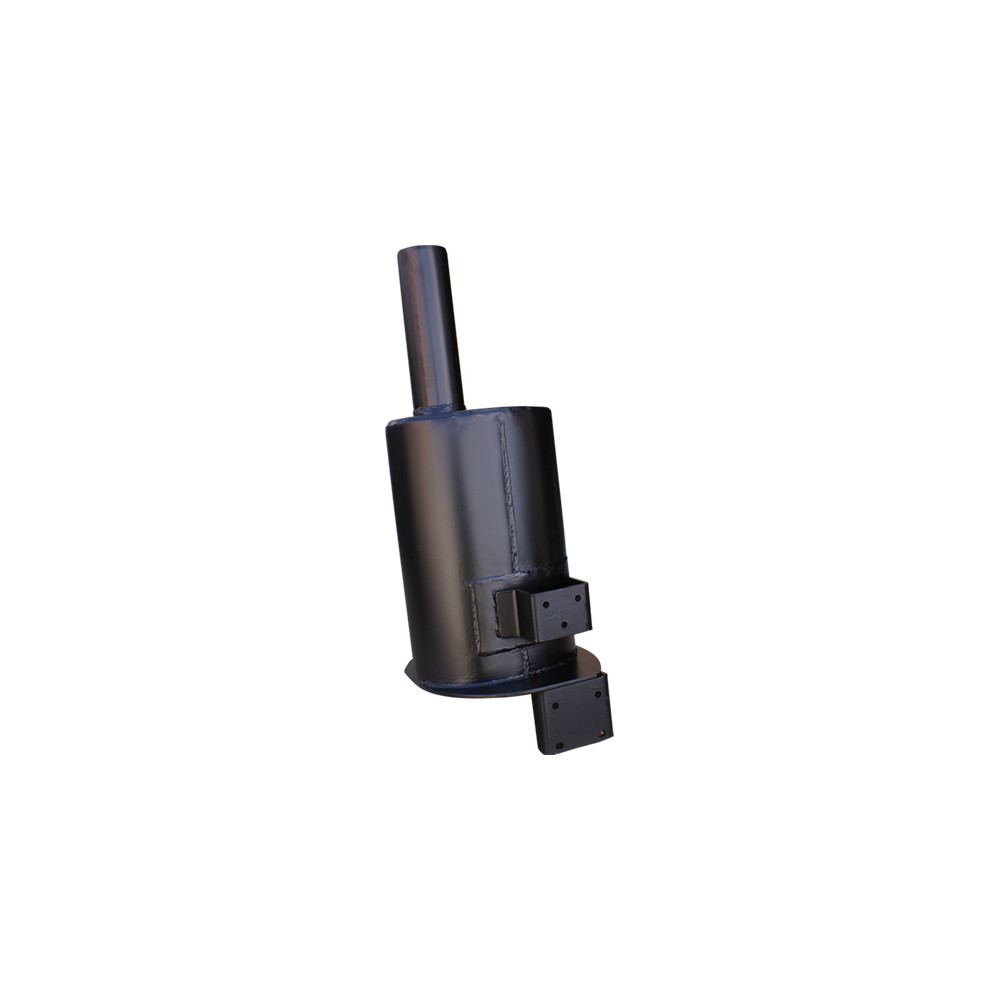
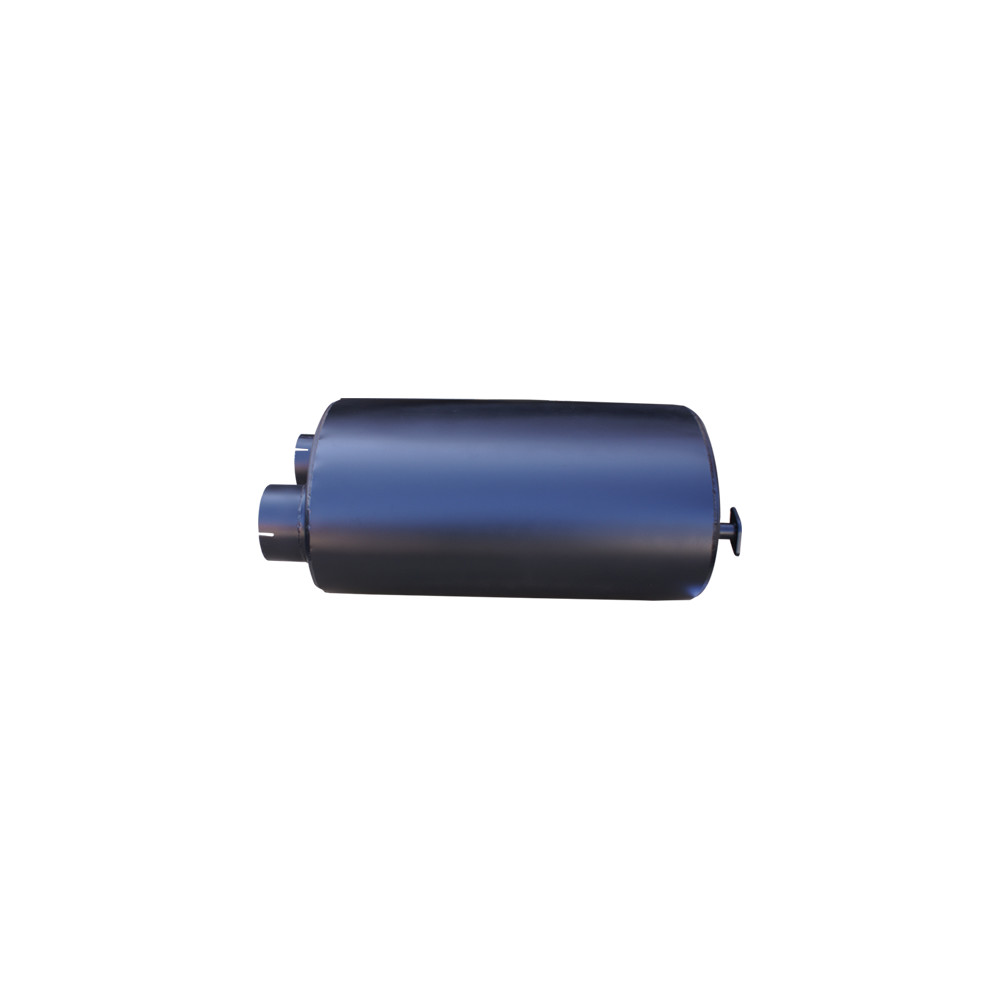
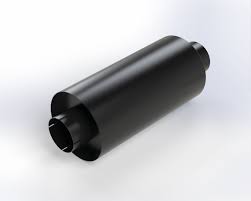
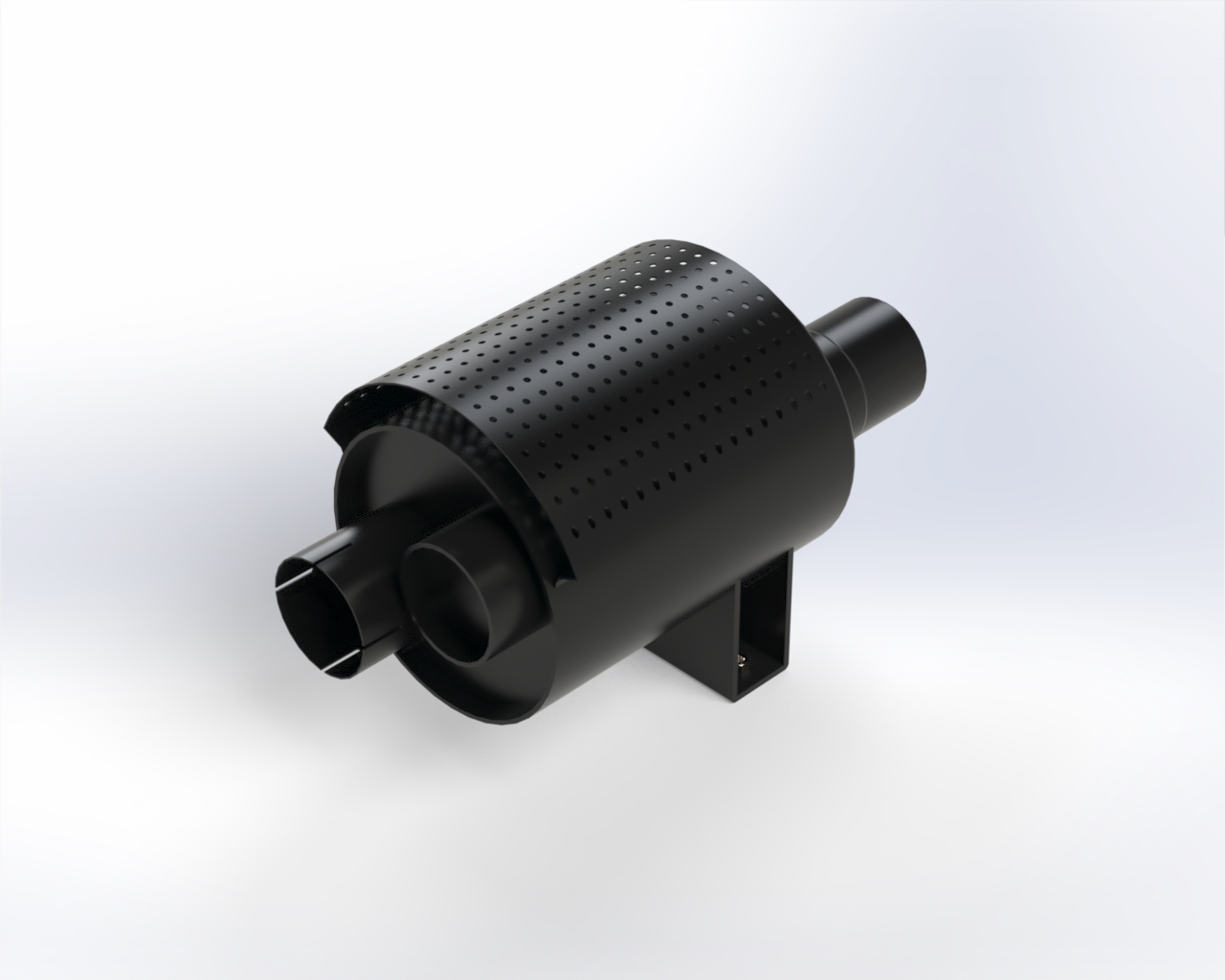
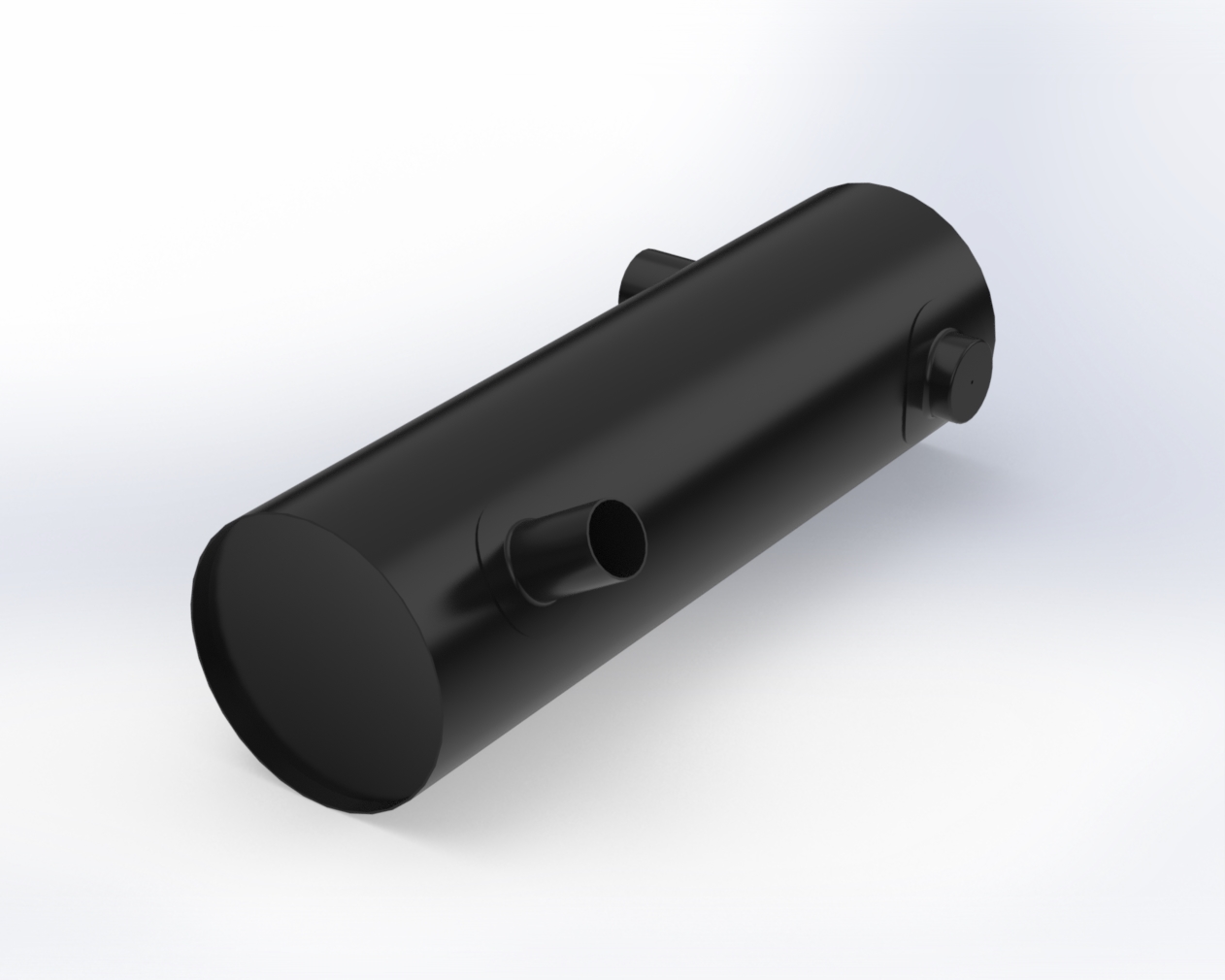
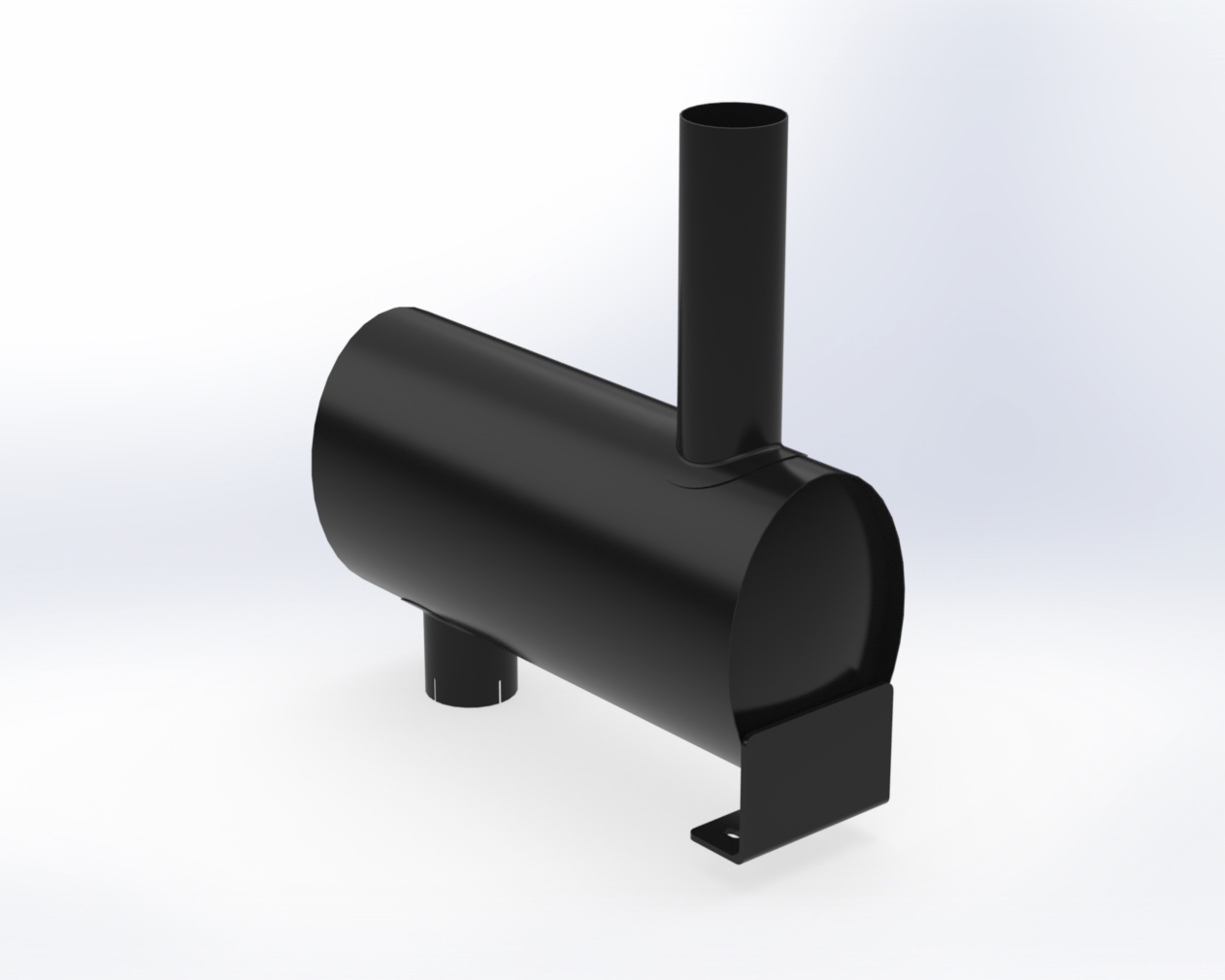
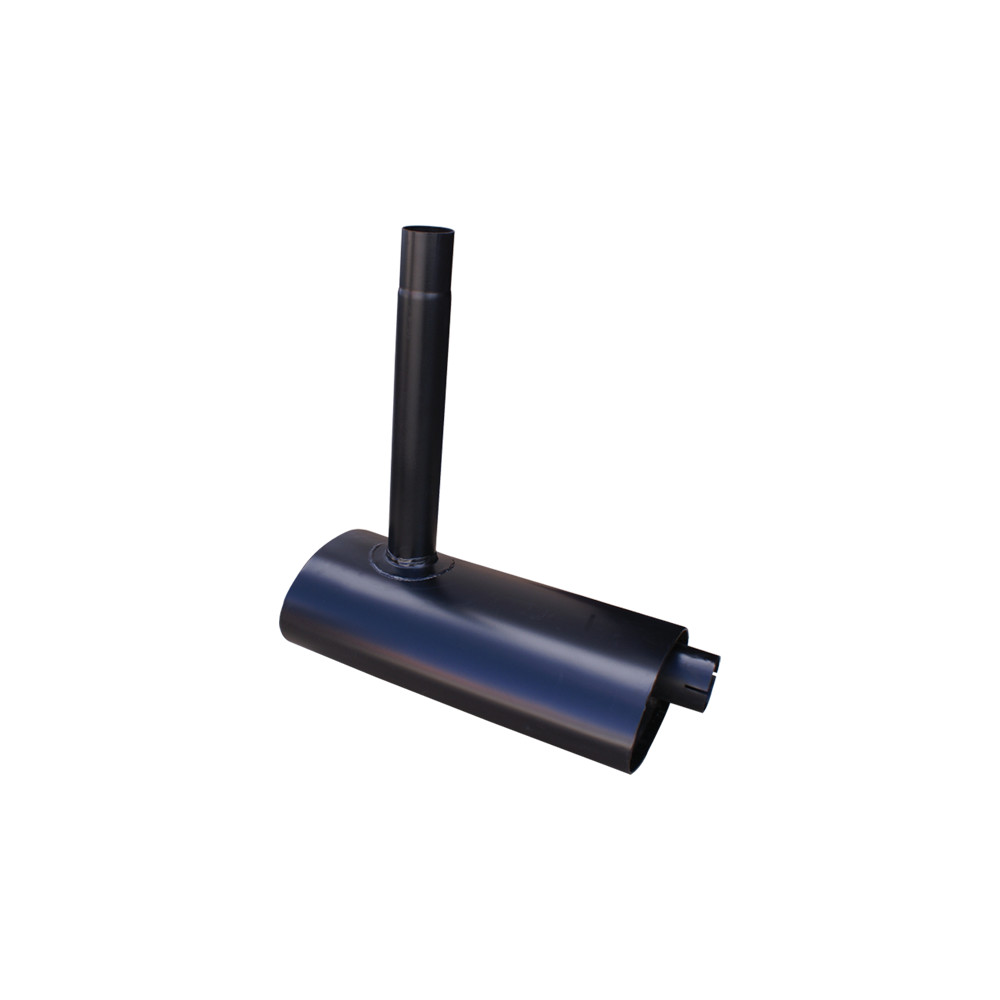
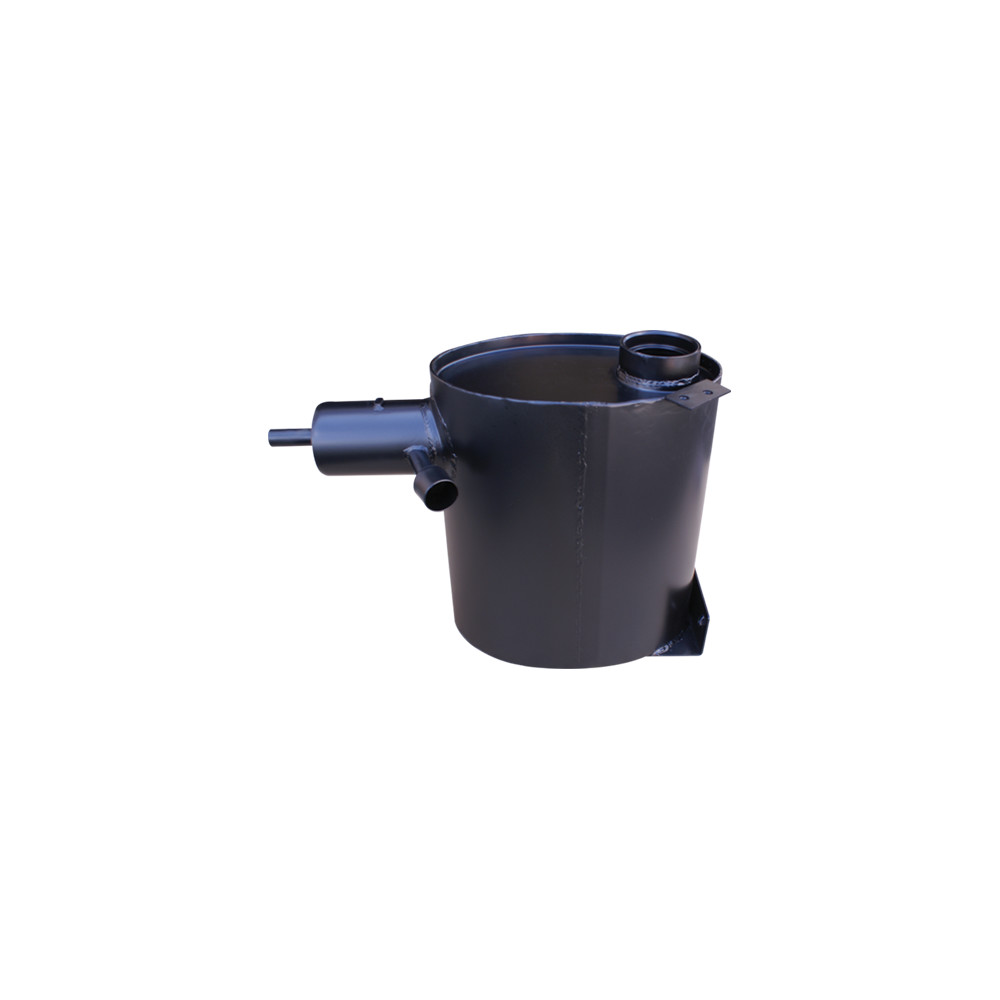
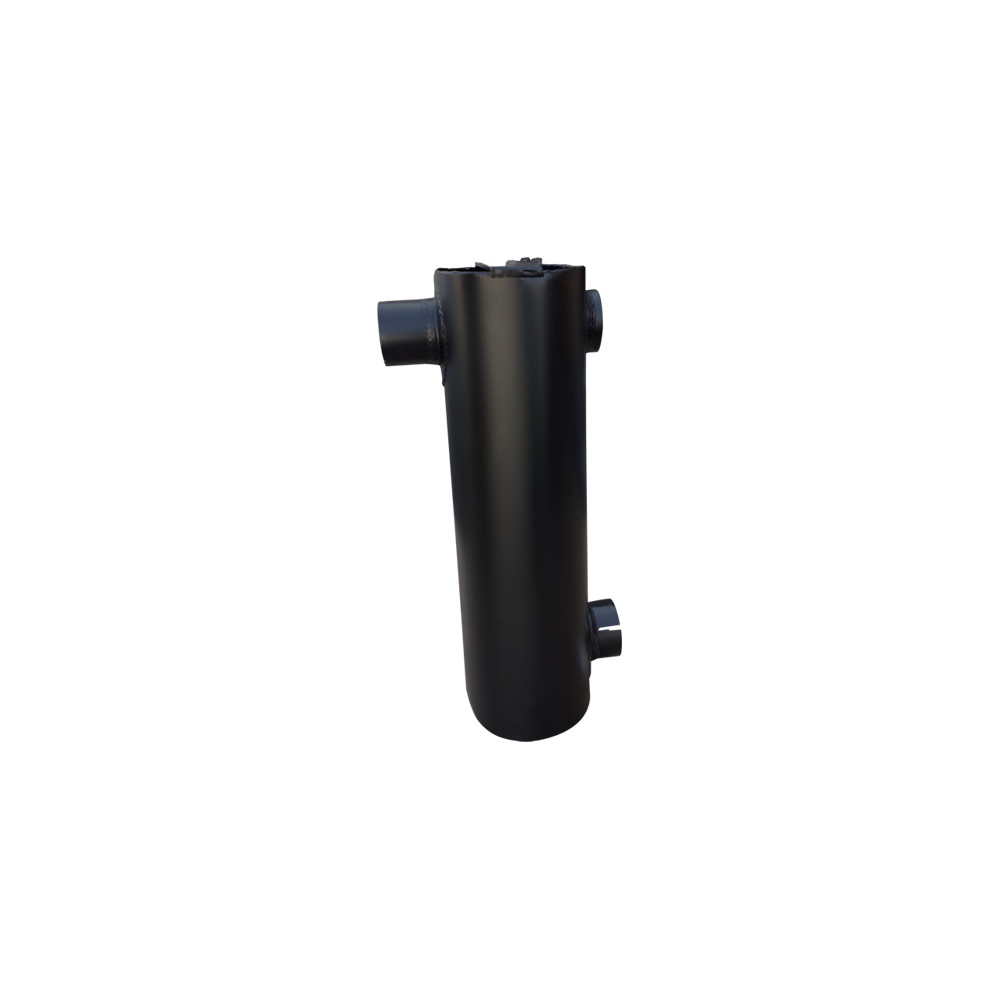
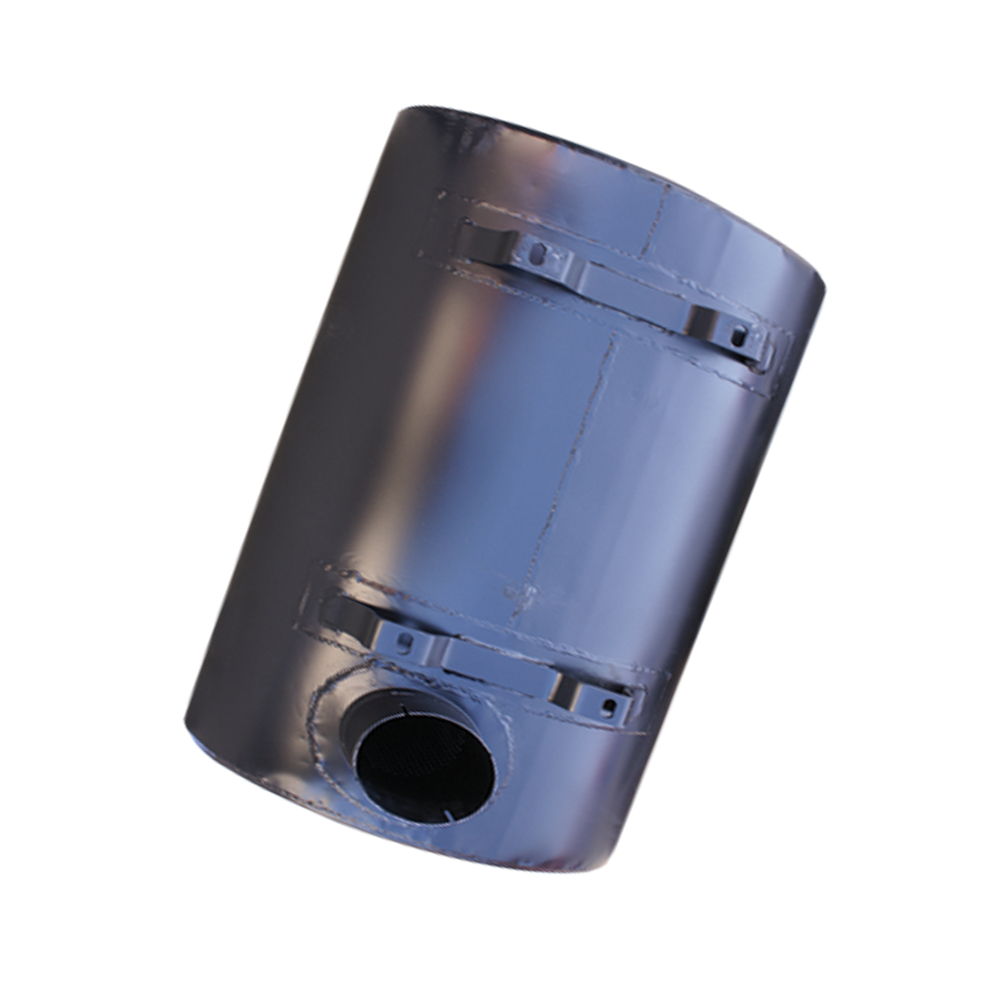
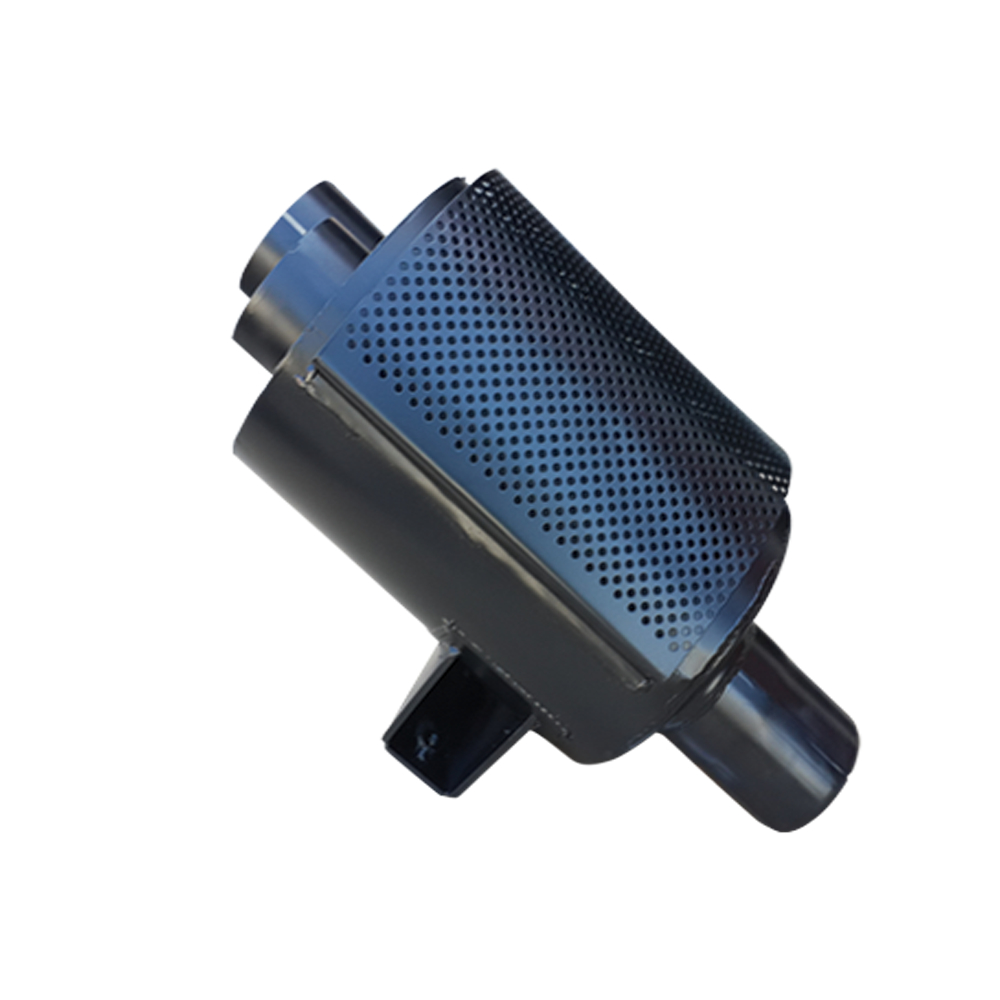
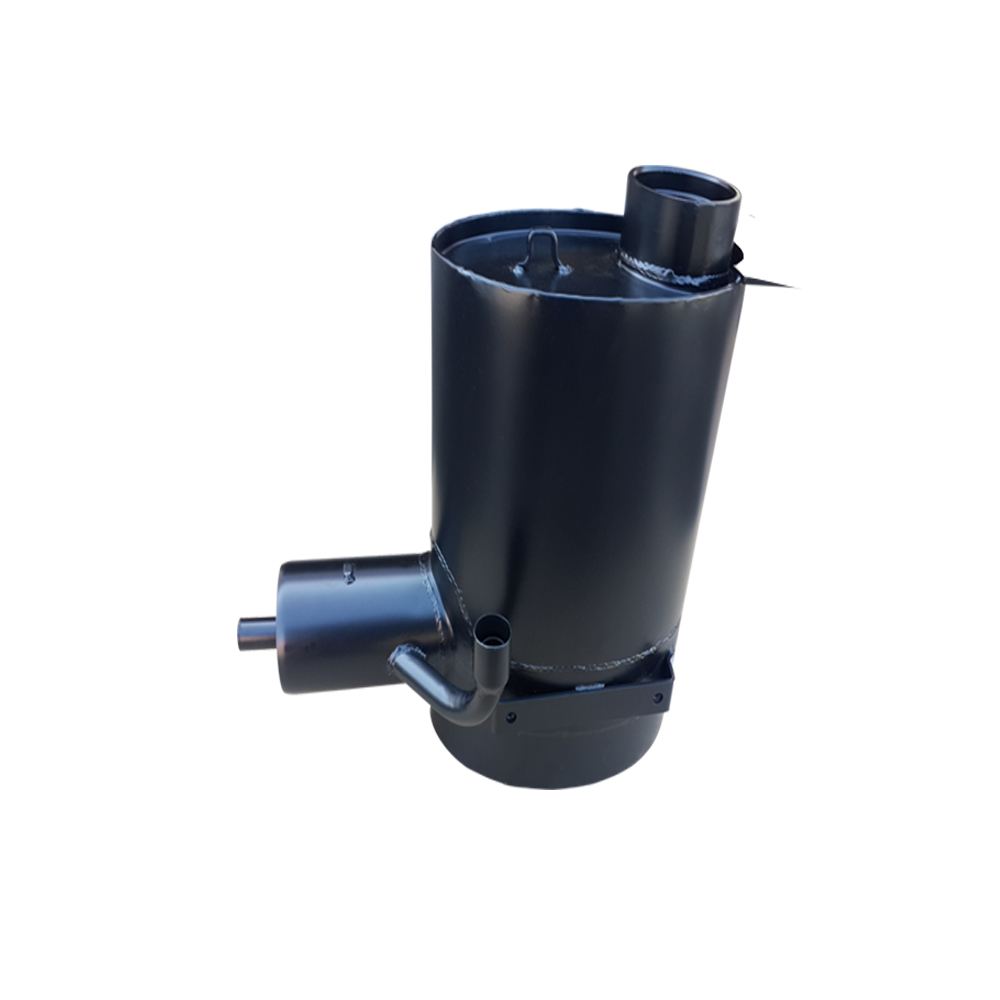
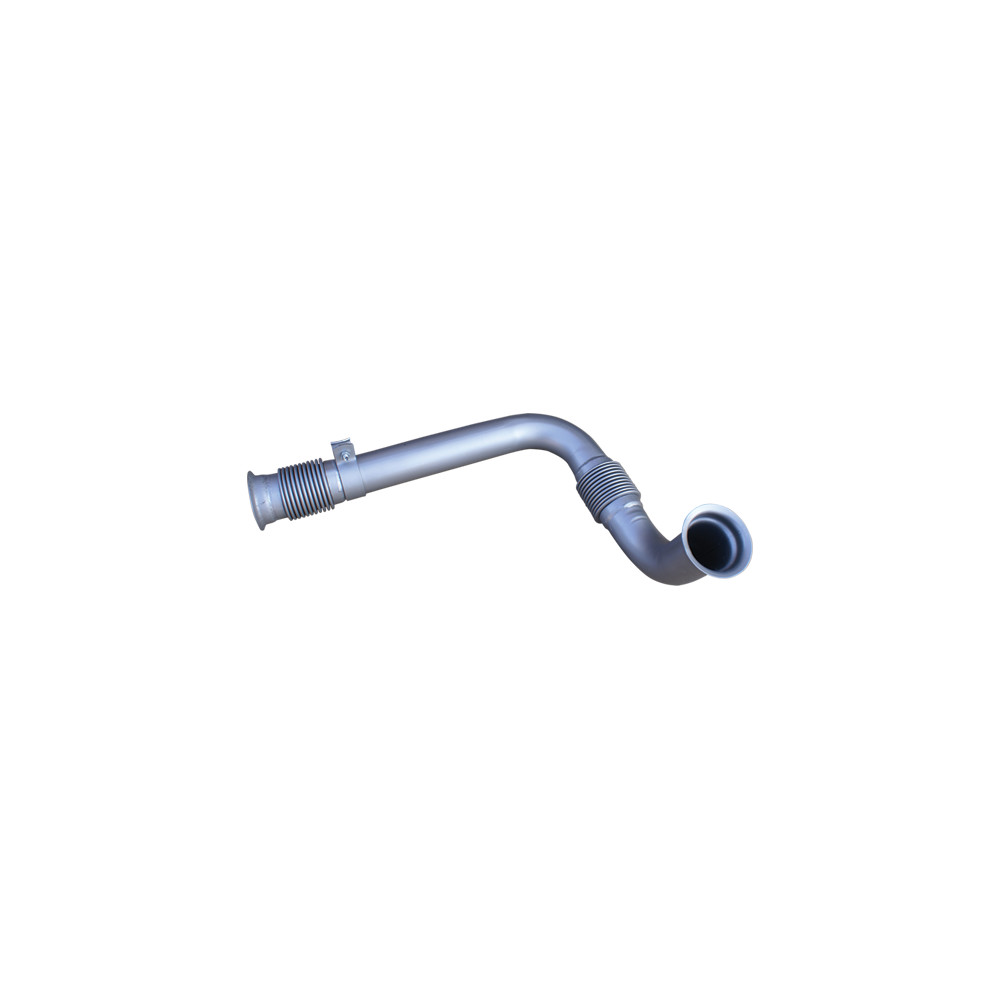
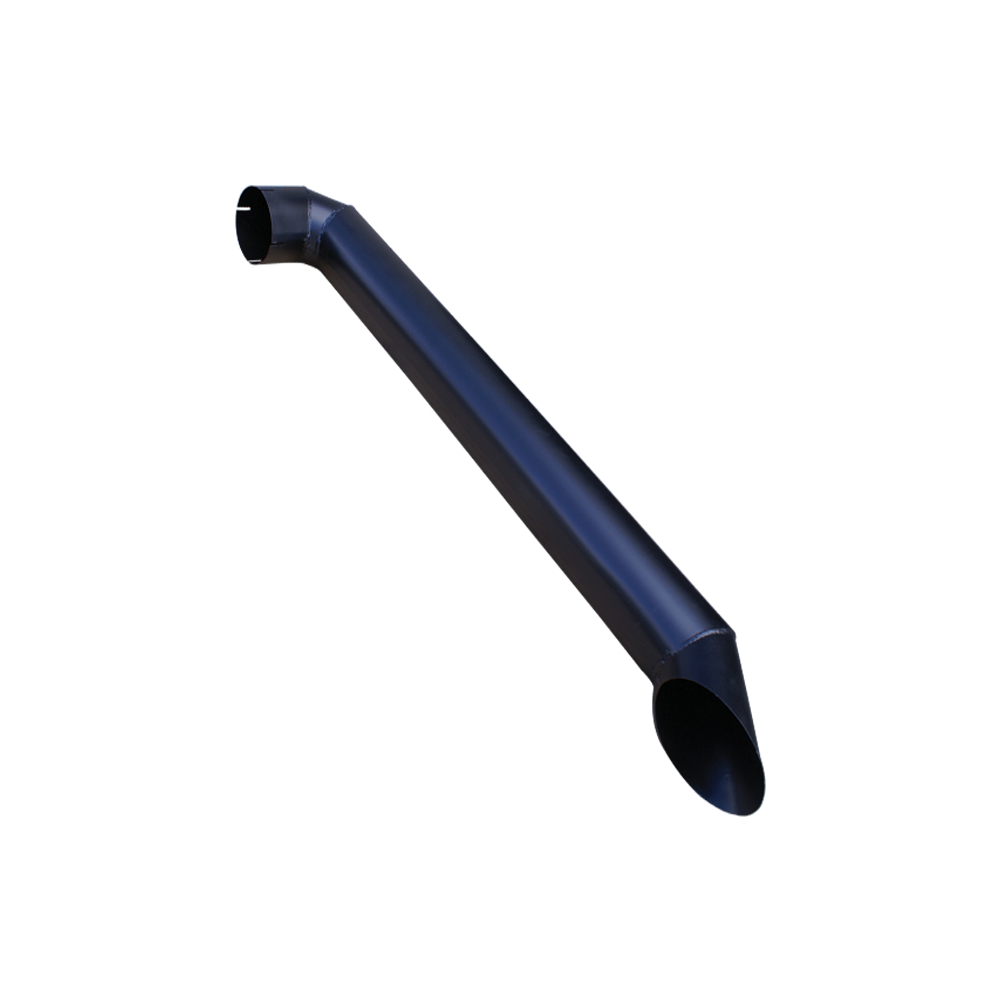
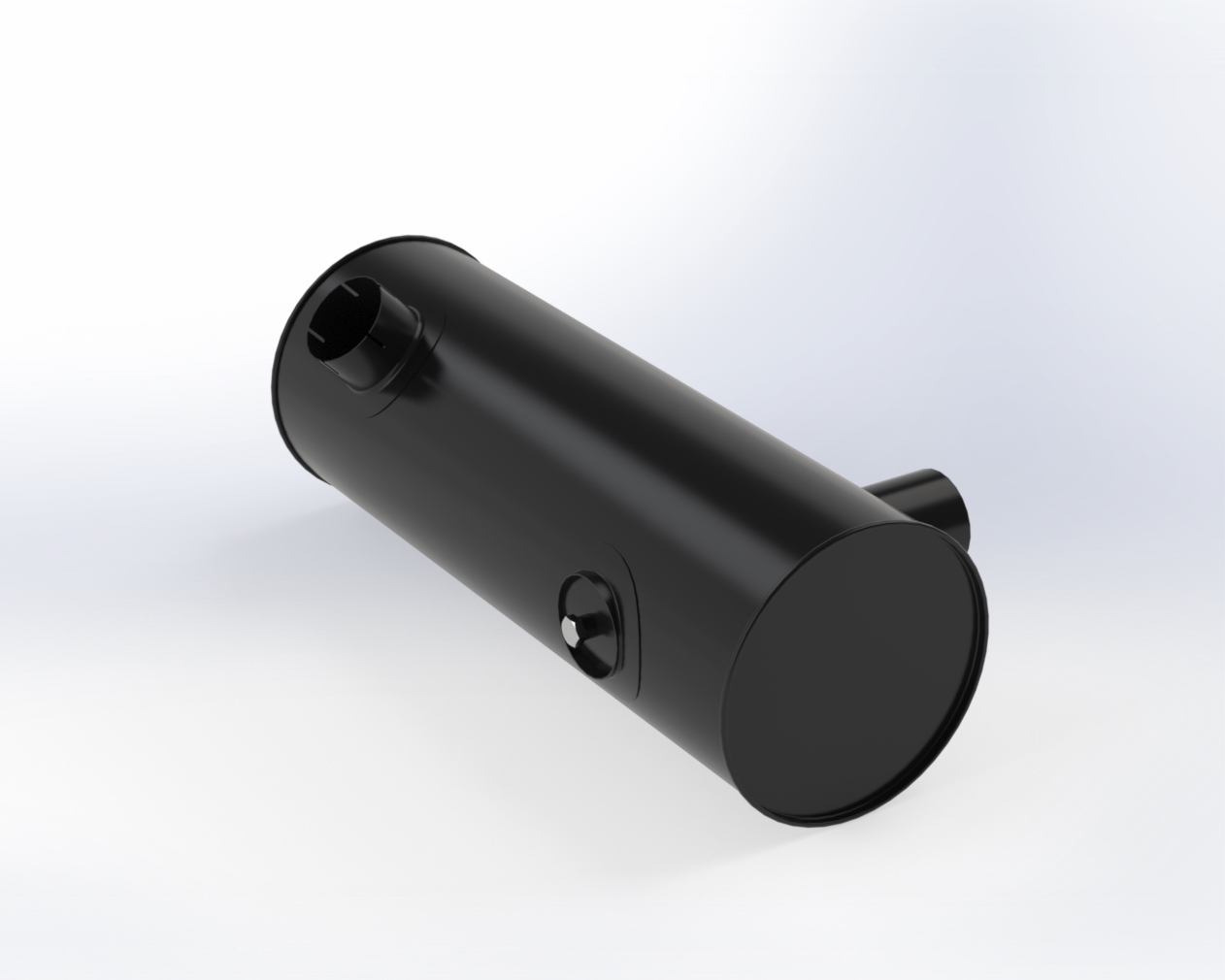
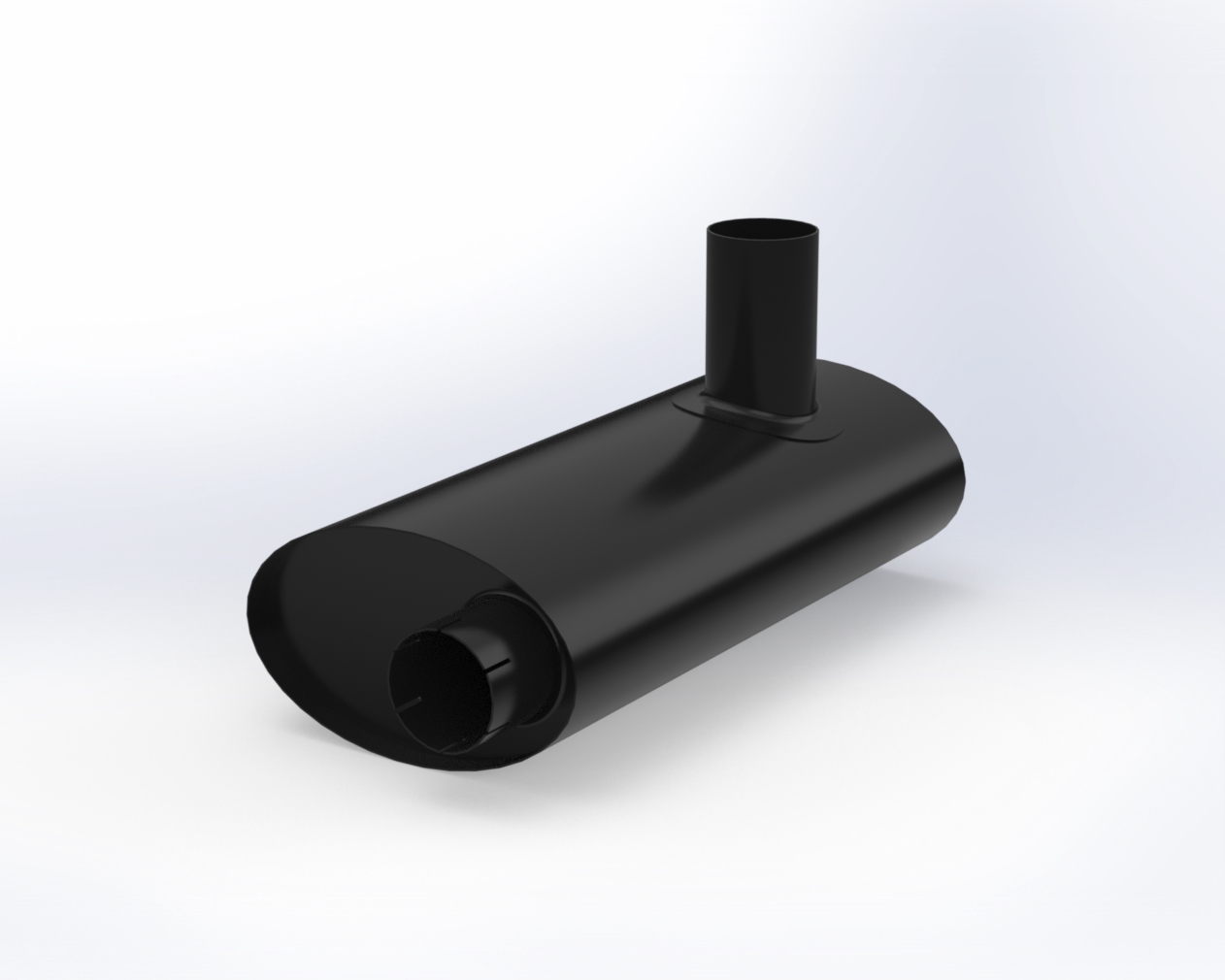
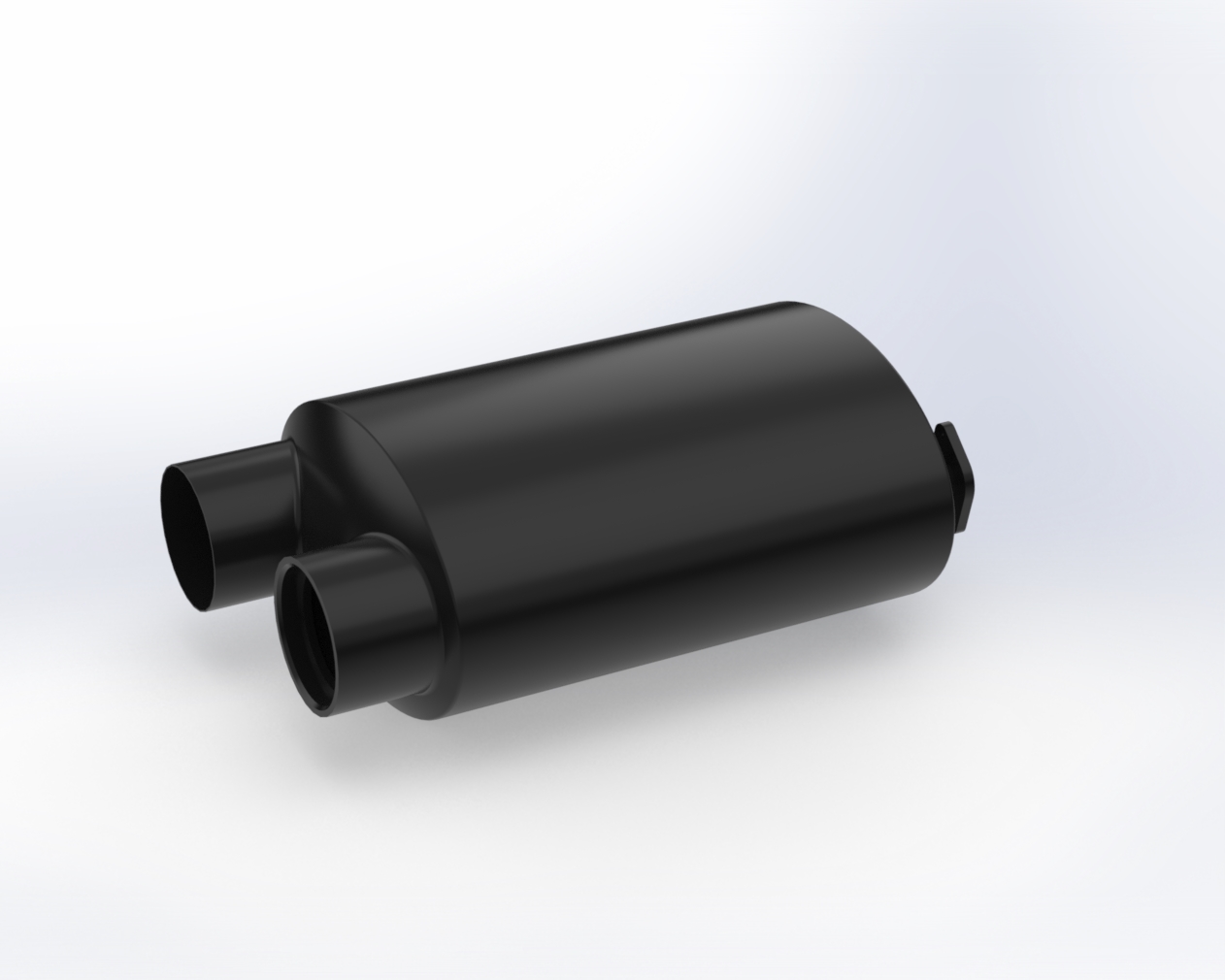
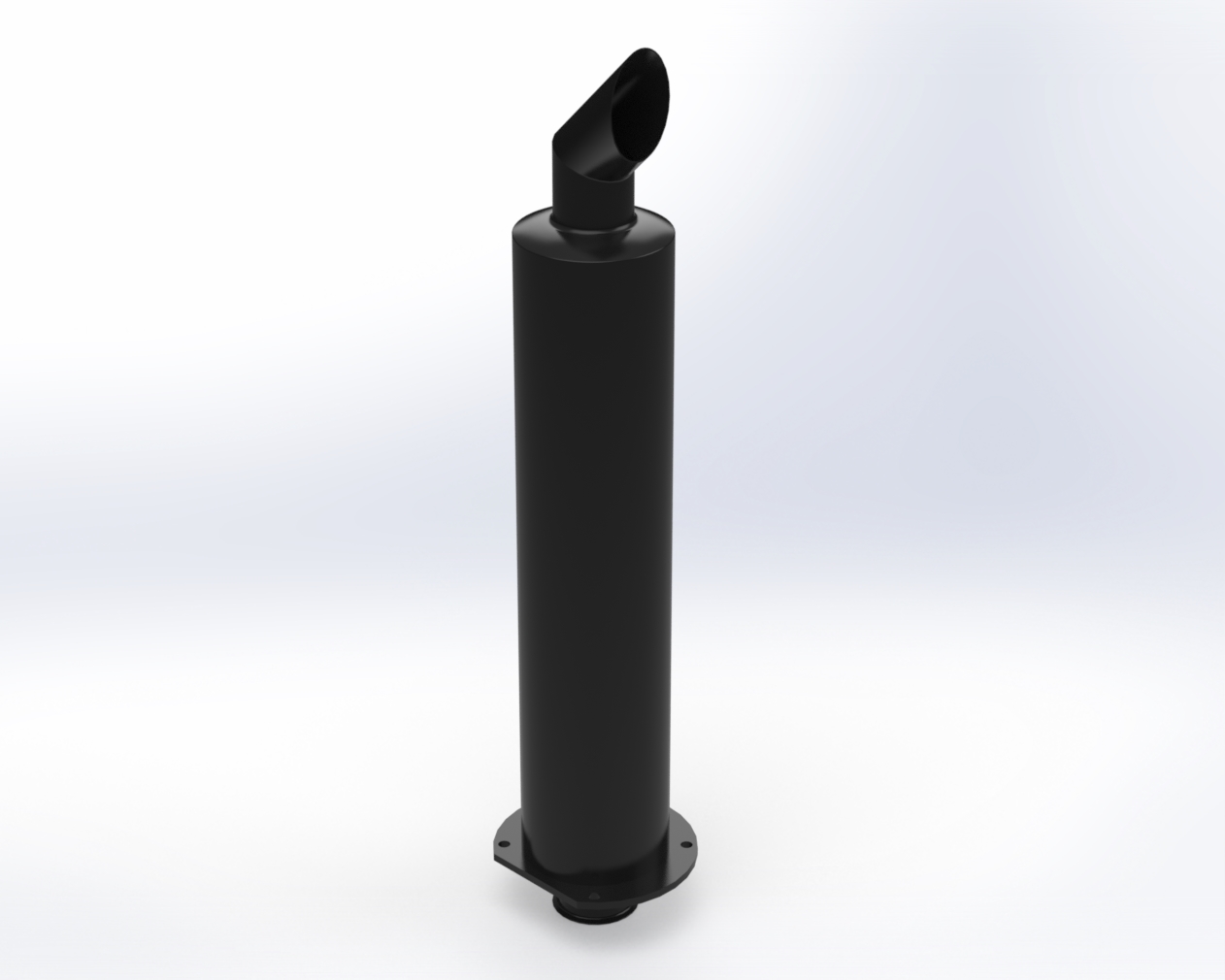
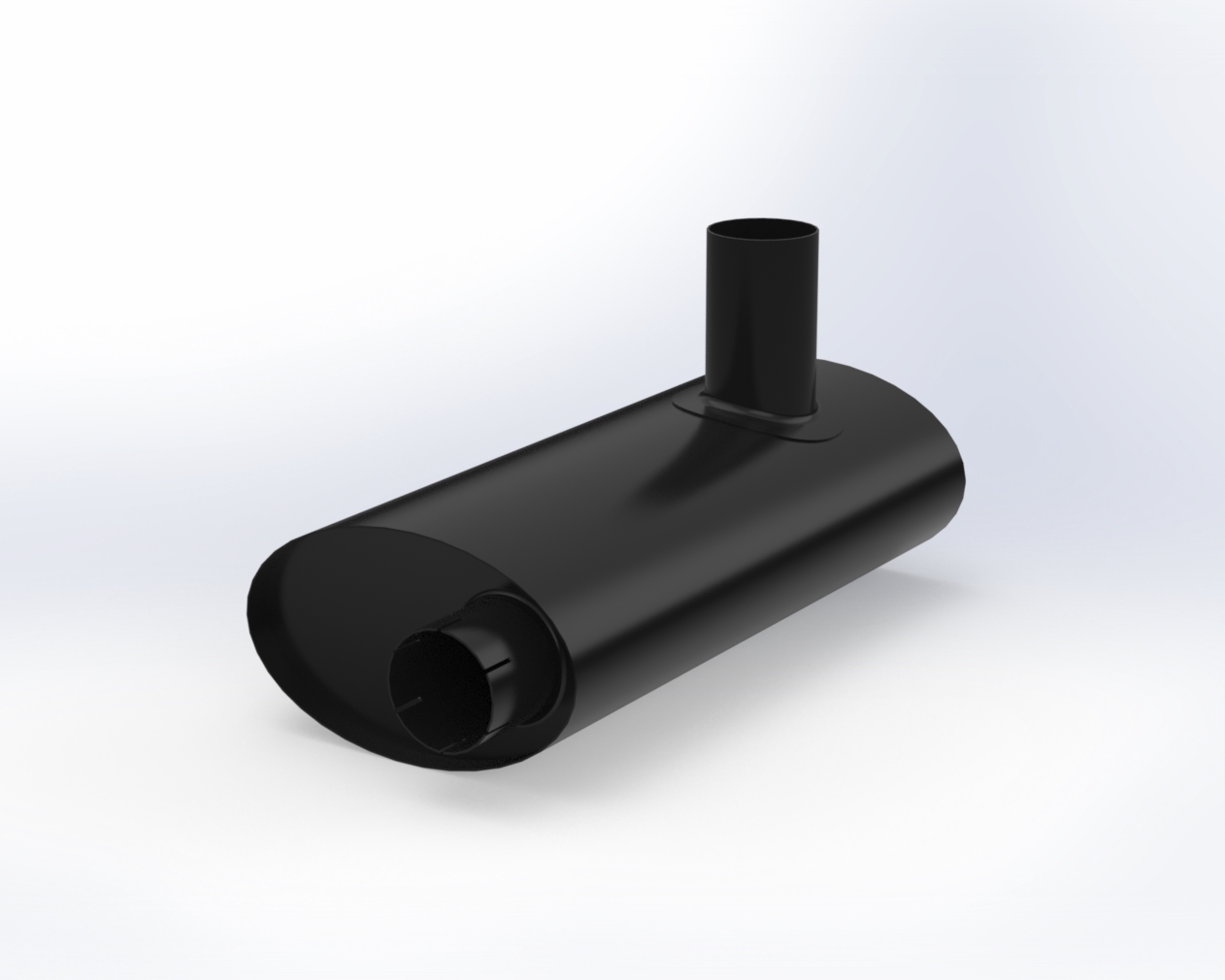
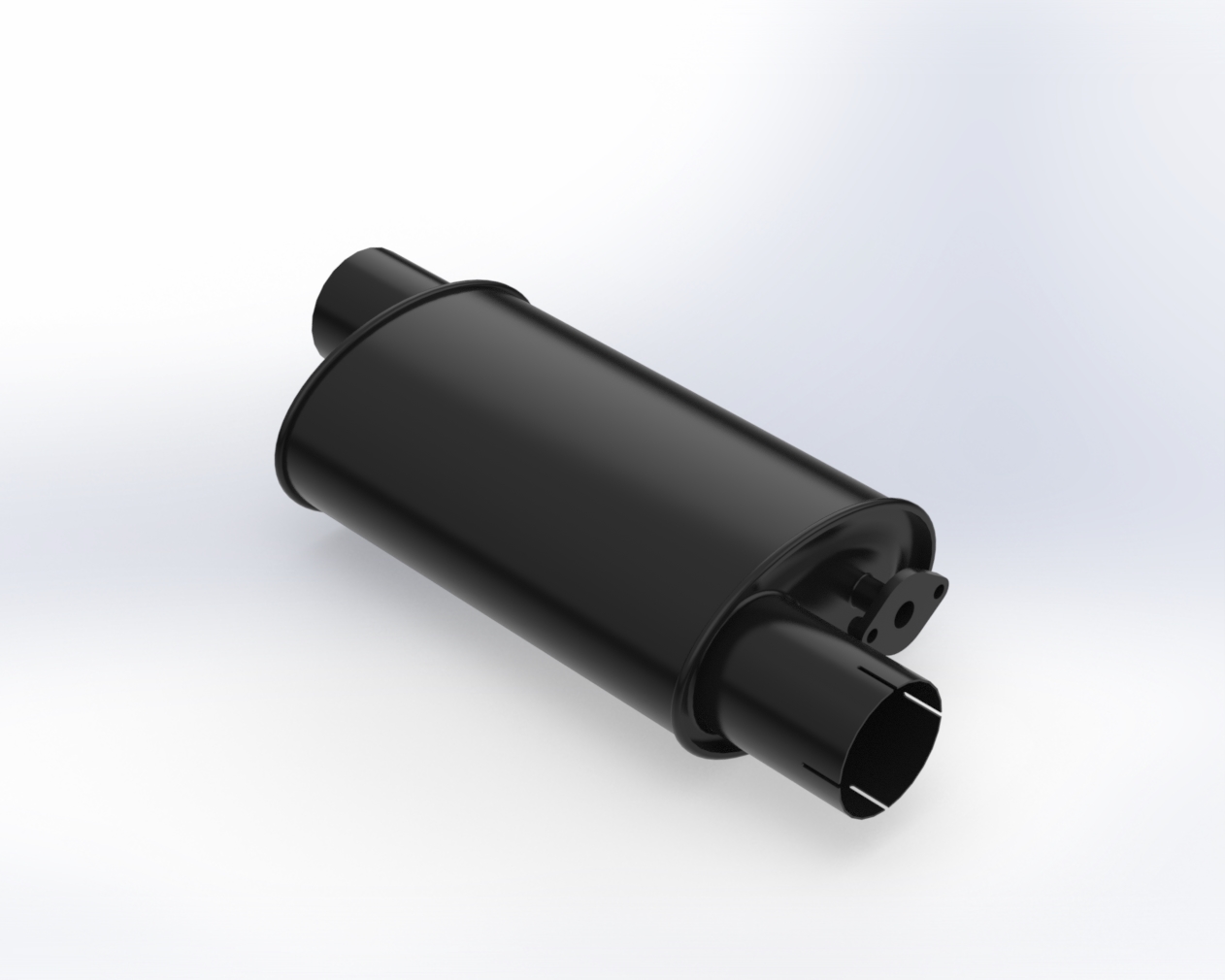
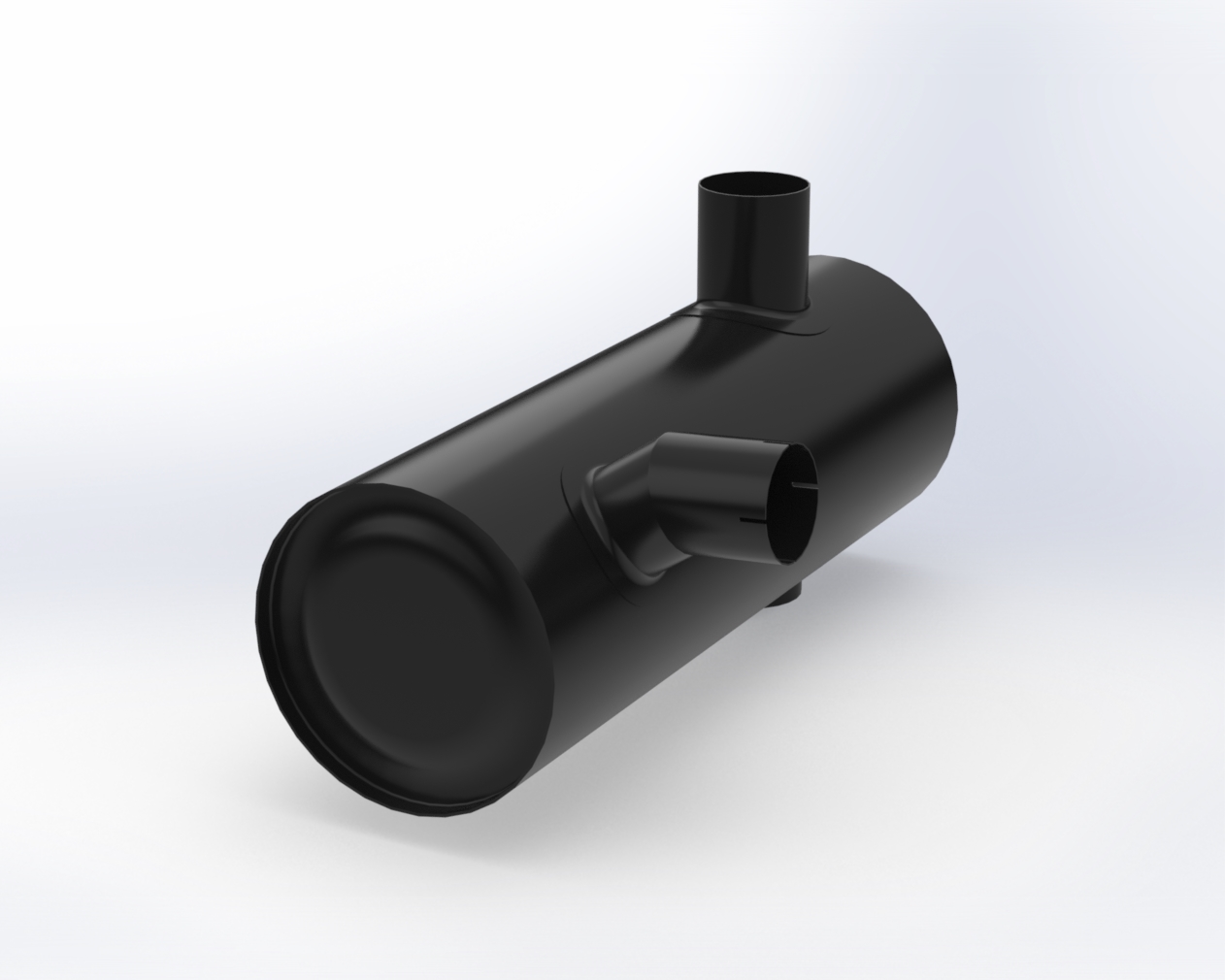
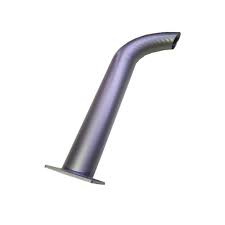
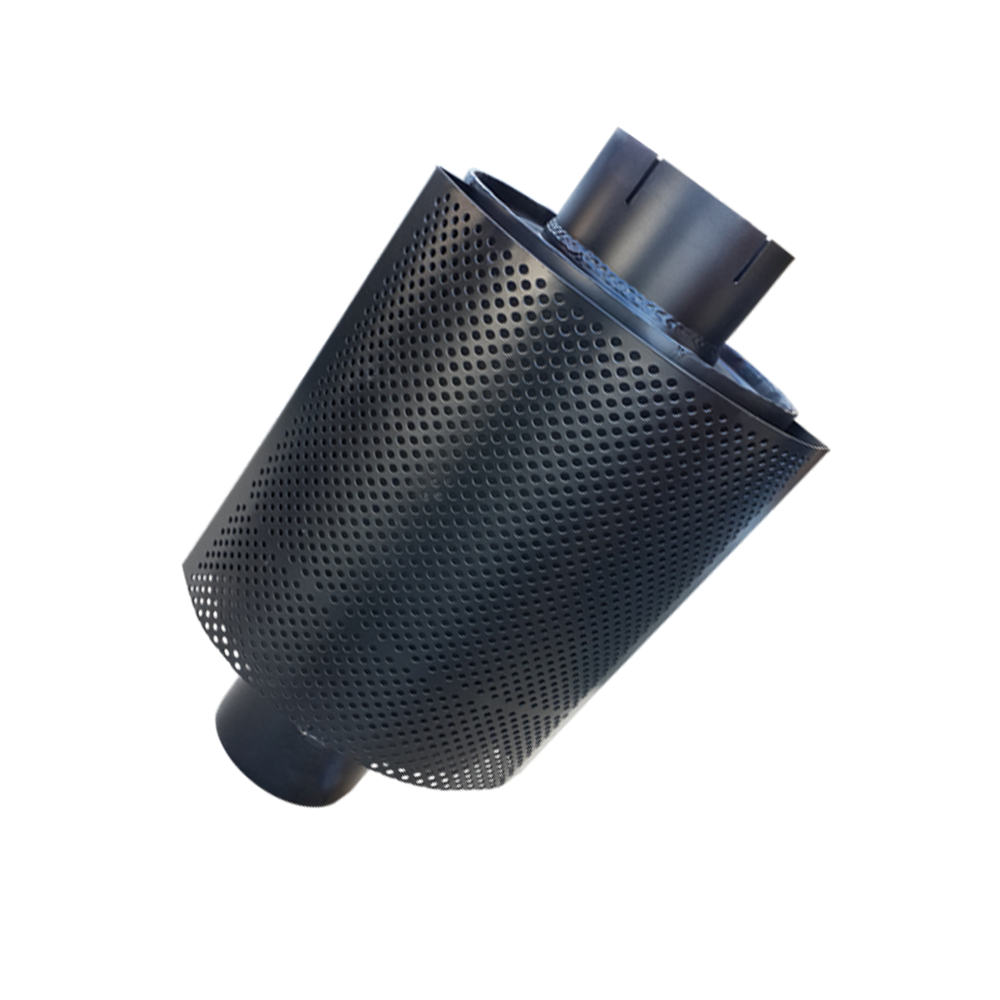
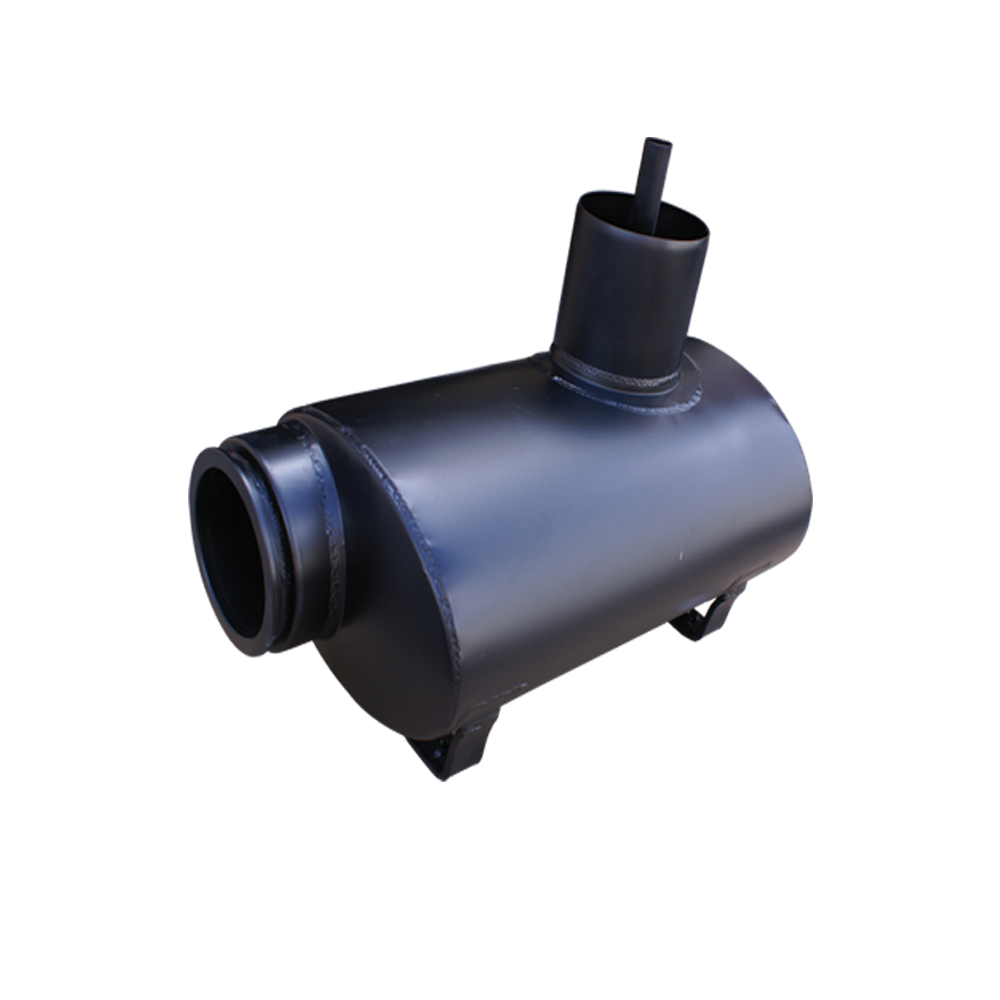
The exhaust parts system of construction machinery plays a pivotal role in ensuring both operational efficiency and environmental compliance. This system is responsible for channeling and managing the gases produced during engine combustion. By directing these exhaust gases away from the engine, the system prevents potential damage and ensures smoother operation of the machinery.
A primary function of the exhaust system is to reduce engine temperature. As the engine burns fuel, it produces hot gases that, if not properly managed, could lead to overheating and component wear. The exhaust system directs these gases through a series of pipes and components that cool them before releasing them into the atmosphere. This helps maintain optimal engine performance and longevity.
Moreover, modern exhaust systems are equipped with technologies designed to reduce harmful emissions. These include catalytic converters and particulate filters that capture and neutralize pollutants such as nitrogen oxides and particulate matter. By doing so, the exhaust system helps construction machinery meet stringent environmental regulations and standards, thereby minimizing its impact on air quality.
The efficiency of an exhaust system also directly affects fuel consumption. An optimally functioning exhaust system enhances engine efficiency by ensuring that gases are expelled effectively, reducing backpressure. This, in turn, can lead to improved fuel economy and lower operational costs.
Additionally, effective exhaust management contributes to operator safety and comfort. By minimizing exhaust fumes within the cabin area, it reduces the risk of inhaling harmful gases, creating a safer and more pleasant working environment.
In summary, the exhaust system of construction machinery is essential for managing engine temperatures, reducing harmful emissions, improving fuel efficiency, and ensuring operator safety. It ensures that machinery operates efficiently while adhering to environmental standards and contributing to a safer work environment.